Home > Energy > Energy Guides > What Uses Gas In The Home
What Uses Gas In The Home? and How to Reduce Your Gas Bill
Written by David Walter, Chief Commercial Officer
Updated on 26 Aug 2026 : With energy prices fluctuating regularly, it’s no surprise that more and more people want to know how to keep their bills in check.
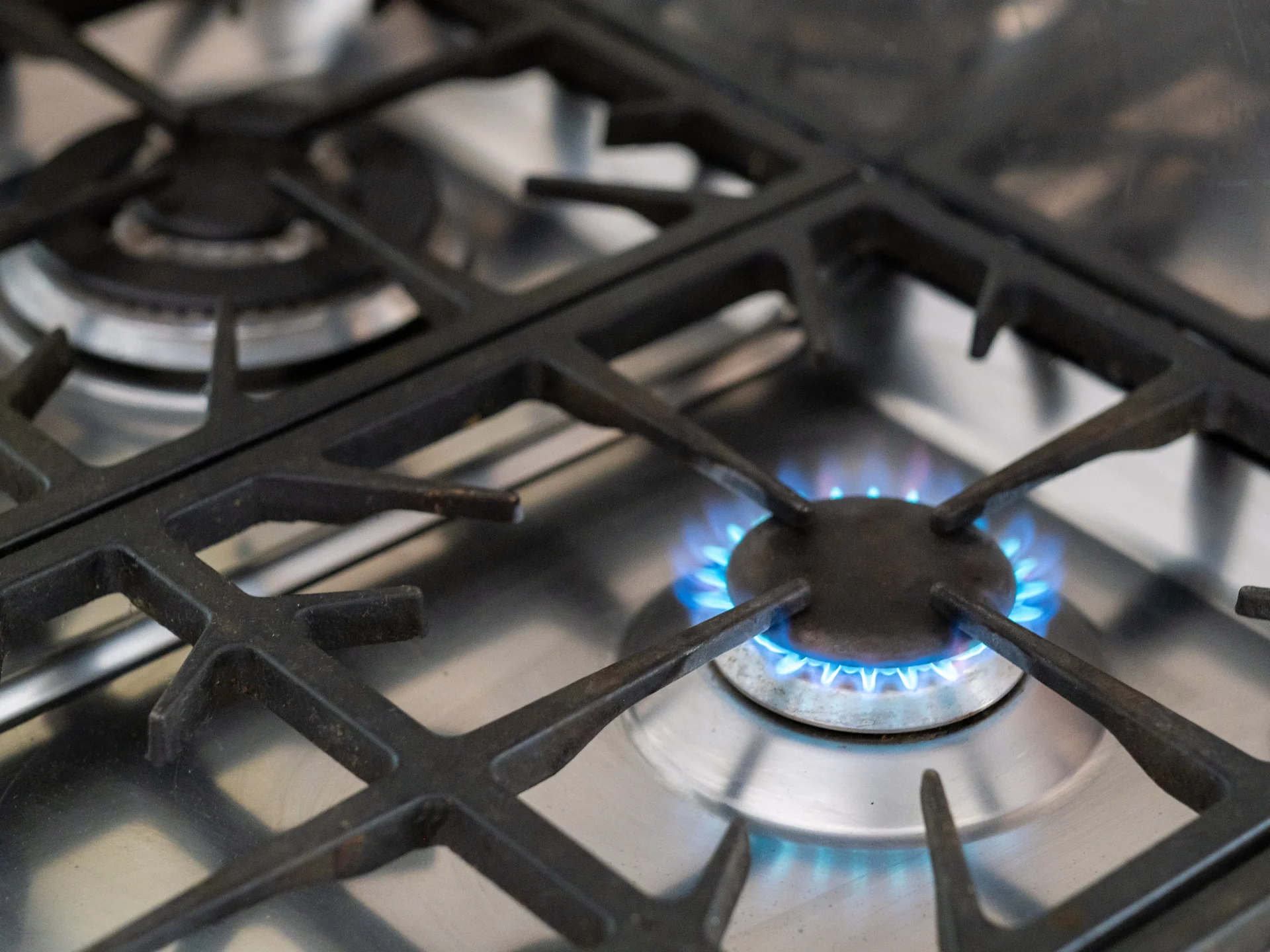
To help you make sense of the numbers, we’ll walk you through which appliances use the most gas at home and share simple ways you can lower your energy costs. Let’s get started!
How is natural gas used in the home?
Natural gas plays a vital role in powering our core home systems, ensuring we have the energy we need to carry out everyday tasks.
It starts its journey deep underground, where it’s extracted, processed, and transported through a big network of pipelines to reach homes across the country. Once it reaches your boiler or appliances, it’s ignited and releases energy that’s converted into heat or flames.
Take control of your energy costs
Lock in over £350 in savings vs January’s projected price cap and get the cheapest 12-month tariff on the market.
Plus, we’ll throw in up to £250 in Cashback Card credit and up to £400 in switching credit.
What uses the most gas at home?
Gas is crucial for keeping our homes running smoothly, especially here in the UK where temperatures can get pretty chilly.
From keeping us warm to cooking up a quick dinner, here’s a quick look at the biggest culprits that are guzzling gas:
Central heating
Gas-powered central heating is one of the main contributors to household energy use, especially in colder months.
Water heating
Whether it’s a long, hot shower or a warm sink of water for washing up, gas water heaters get the job done quickly and efficiently.
Cooking
Many homes have gas stoves and ovens for cooking meals.
Save time and money on your household bills
Unlock maximum savings on award winning energy, broadband, mobile and insurance.
Up to 10% back on everyday spending with a UW Cashback Card
£400 towards existing provider termination fees and 30 days to change your mind, penalty free
Your local UW Partner will sort it all for you. No stress, just savings and more savings.

What else is gas used for in homes?
Knowing which areas are using the most gas is helpful, but let’s have a closer look at the specific appliances that could be responsible for driving up your bill.
Boilers - Gas central heating systems are fairly common for powering central heating systems in UK homes. They rely on a gas boiler, which burns gas to heat water, which then flows through radiators to warm each room.
There are various types of boilers, but combi-boilers and conventional boilers are two of the most popular. A conventional boiler stores cold water in a tank until it’s ready to heat up, and a hot water cylinder keeps it hot until it’s ready to be used.
Combi-boilers heat water instantly, giving you warmth when and as needed, making them efficient but often requiring more gas if hot water is used a lot.
Gas fires - Gas fires are used instead of traditional log burners, and they can be more cost-effective than warming the whole house with central heating.
Gas hobs - Gas stoves heat burners by using natural gas, compared to electric and induction hobs, which are powered by electricity. These give instant heat and super-precise control, which is why some people prefer them for cooking.
Gas ovens - Although less common now than electric ovens, gas ovens are still in many homes. They generally tend to heat up faster than electric ovens but don’t circulate heat as well as electric fan ovens.
Gas-powered dryers - Though rarer in UK households, gas tumble dryers burn gas to heat the air that dries clothes. They can be more efficient than electric dryers because they heat up faster, but you might find yourself paying a lot more for repairs since you’ll need to call a specialist to help you fix one.
Patio heaters - These are popular for providing outdoor heating but can use a lot of energy if used often and for long periods of time.
Gas barbecues - While not used all year round, gas barbecues usually need a propane or natural gas cylinder to work. This can be expensive to keep buying if you use your grill a lot.
How much will it cost if I accidentally leave the heating on all night?
We’ve all had those nights where it feels impossible to keep the chill out, and it’s tempting to leave the heating on until morning.
But letting it run all night — or forgetting to turn it off — can lead to a surprisingly high bill. Let’s break down how much it might cost if you keep your gas-powered heating on overnight.
Imagine you have a typical gas boiler that uses around 12 kW of energy per hour. If the boiler runs consistently through an 8-hour night, here’s what the cost could look like:
Hourly cost - Let’s say gas costs 7.97p per kWh (based on the 1 October to 31 December 2026 energy price cap). For 12 kW, that’s 95.64p per hour.
Overnight cost - If the heating is on for 8 hours, you’d be looking at £7.65 for one night.
Of course, your actual costs will vary based on the size of your home, its level of insulation, and how high you set your thermostat. Your gas tariff rate will also need to be taken into account, but this gives you a rough idea of what your running cost could look like.
Want to know more about how your energy bill is calculated? Discover our guide to gas and electricity costs.
Tips to reduce gas usage
Since heating accounts for a large portion of your gas bill, making a few small changes around the house can help you cut down on usage and save on costs.
Here are some practical heating tips to keep your home warm without overusing gas.
Lower your thermostat
A simple way to cut down on gas is by turning down your thermostat. Lowering the temperature by just 1°C can save up to 10% on your heating bill, and most people find that they barely notice the difference. Every little bit counts and this quick adjustment could lead to significant savings over time.
Use a programmable thermostat
With a programmable thermostat, you can set your heating to turn on and off automatically based on your schedule. For instance, program it to turn off at night or while you’re at work and have it warm up again just before you get home.
This way, you’re not paying for heating when it’s not needed, and you’ll still walk into a cosy home.
Upgrade your insulation
The right insulation can help to keep warm air in and cold air out, so your heating system doesn’t have to work as hard. Start by insulating your loft and walls, as these are the major areas where heat escapes. You might also want to insulate floors and pipes for even better efficiency.
Though it’s an investment, proper insulation can reduce your gas bills significantly in the long term.
Seal windows and doors
Drafty windows and doors are one of the biggest culprits when it comes to heat loss. Just think of all that cosy, warm air escaping from poorly fitted windows and gaps beneath doors!
Use weatherstripping, caulk, or draft excluders to seal any gaps that might be letting cold air in. Not only does this help keep your home warmer, but it also prevents your heating system from overworking to maintain a consistent temperature.
Fit heavy curtains
Once you’ve upgraded your windows to prevent hot air from escaping, you can go one step further by adding some heavy curtains as an extra precaution to stop heat loss, especially during the night when the temperature drops.
Keep the curtains open during the day to let sunlight warm up your rooms naturally, then close them in the evening to trap that warmth inside. Thick, lined curtains are best for blocking drafts, or you could even pick up some thermal curtains for maximum insulation.
Get your boiler serviced
Your boiler is the heart of heating your home, so it makes sense to show it some love. An annual boiler service ensures that your heating system continues to run efficiently and safely — especially in the run-up to the colder months when it’ll be used a lot more.
Over time, boilers can develop faults that make them work harder and use more gas to provide the same amount of heat. However, booking a professional service conducted by a Gas Safe-registered engineer can help spot and fix these issues, saving you money in the long run.
Regular servicing also extends the life of your boiler, so you won’t need to replace it as soon and can help prevent unexpected breakdowns in winter.
Find out more about how you can upgrade to an A-rated boiler here.
Give your radiators some TLC
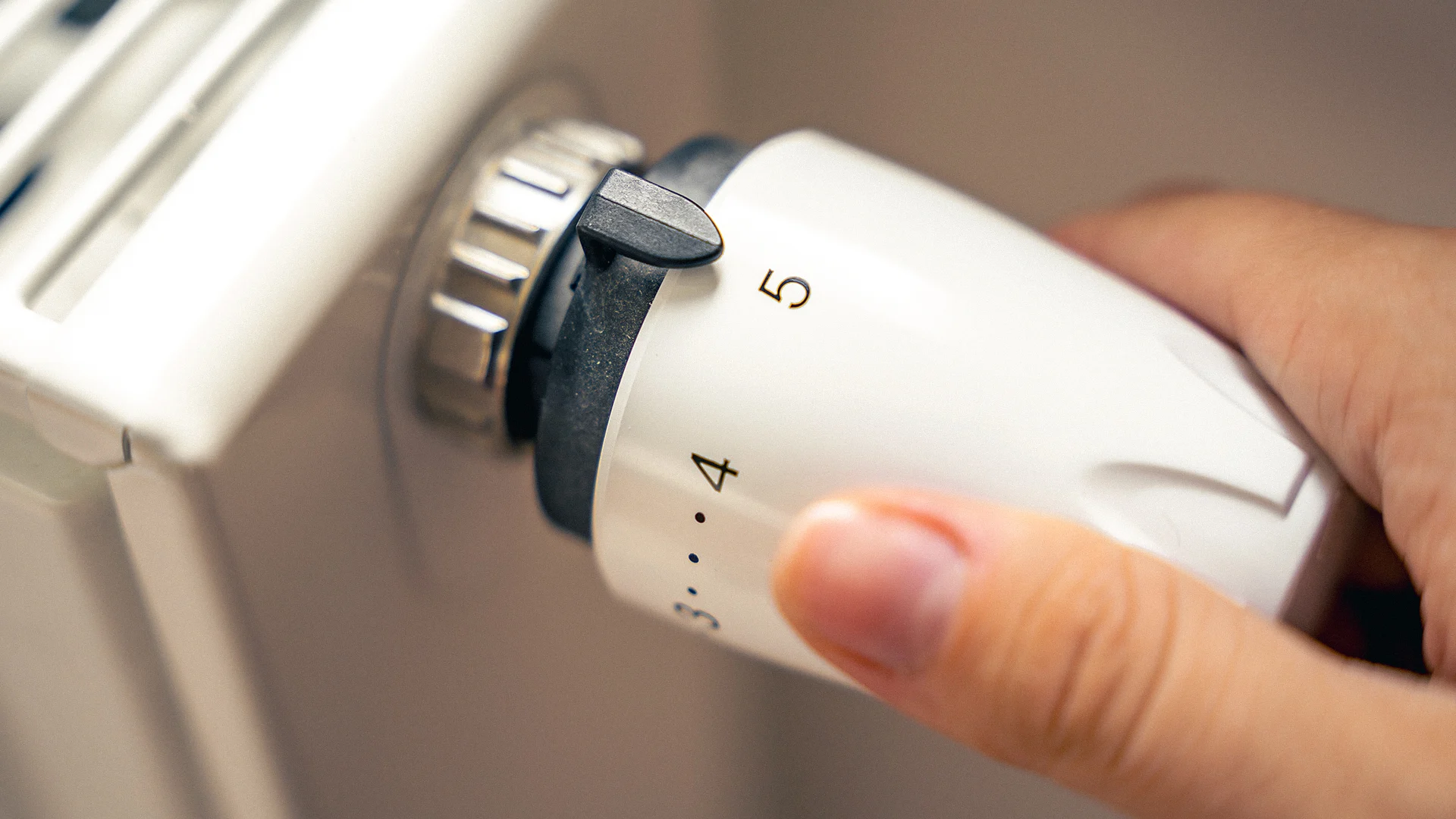
Your boiler might be the powerhouse behind a warm home, but your radiators play a big role in delivering that toastiness to the rooms where you need it the most. Maximise your radiators’ effectiveness by bleeding them regularly to release trapped air, which can cause cold spots and hinder their efficiency.
Make sure they’re free from blockages and dust too, as this can obstruct heat flow. Keeping your radiators in good shape ensures they use gas efficiently and keep your home cosy.
Check out our guide on how to bleed a radiator if you need a refresher.
Cut down on your hot water use
Hot water usage can also be a big contributor to your gas bill, so finding ways to reduce it can lead to noticeable savings.
Opting for shorter showers and installing low-flow showerheads and faucet aerators can also help reduce hot water demand without sacrificing comfort.
Lower your water heater temperature
Most water heaters are set to around 60°C, but you can lower the temperature to 49°C without any noticeable impact on your daily routines. This simple adjustment means your boiler won’t need to work as hard to heat water, cutting down on gas usage and energy costs. It’s a quick, low-effort way to bring your bill down while still enjoying plenty of hot water for showers, cleaning, and more.
If you’re adjusting your water heater temperature, it’s always recommended to double-check the settings to make sure it’s set to the correct temperature. You can also contact a plumber to change it for you if you’re unsure how to.
Upgrade to a smart meter to monitor your gas usage
A smart meter lets you track your gas usage in real-time, helping you understand which habits might be driving up your bill. By seeing how much energy you’re using daily, weekly, and monthly, you can identify areas where you can make changes.
Most energy providers offer free smart meter installation, and with a better handle on your consumption, you’re in a stronger position to reduce waste and save money.
Upgrade to a smart meter with UW today.
Consider energy-efficient appliances
Older gas appliances can use more energy than newer, energy-efficient models. If you can, consider upgrading your boiler, water heater, or even your gas stove to an energy-efficient version.
Look for appliances with a good energy rating, as they’re designed to run more economically, using less gas to deliver the same results. Though there’s a substantial upfront cost, replacing older appliances can lead to significant savings in the long run by reducing your gas usage.
The last switch you’ll ever make
Get up to £250 Cashback Card credit and £400 to help you switch. We promise you'll save money, or we'll pay you double the difference.
Find a Utility Warehouse Partner to help you get your energy, broadband, mobile and insurance sorted. We're here to make your life easier by getting your home services in one place.

“Whether you’re looking for a variable tariff or prefer a fixed tariff for total peace of mind, we offer energy prices consistently below the price cap when you bundle with our other award-winning services. We can get you switched over in as little as two days with no disruption to your supply. We offer even greater savings when you upgrade to a free smart meter so you never have to worry about giving a meter reading again.”
David Walter - Chief Commercial Officer

Frequently asked questions
Several factors can cause a spike in your gas bill, especially during colder months when heating demand is higher. Common reasons include an inefficient heating system, poor insulation, turning the heating on in colder weather, and leaving the heating on for long periods.
Small changes, like lowering the thermostat and keeping up with boiler maintenance, can help keep costs down. Monitoring your usage through a smart meter can also give you insight into where your gas is going so you can make adjustments as needed.
Reading your gas meter is simple once you know the basics. If you have a digital meter, note the five main numbers, ignoring any red numbers or numbers after a decimal point.
For older, dial-style meters, read each dial from left to right, noting the number that the dial points to or has just passed. Record these numbers for a straightforward way to track usage, and be sure to check them regularly to monitor your consumption.
Find out more information on how to read different types of smart meter here.
Gas usage tends to spike in colder months as we rely on heating systems more than in the summer when it’s naturally warmer.
In winter, the need for heating and hot water rises, leading to a higher gas demand. This supply-and-demand pattern affects wholesale energy prices, which increase due to more people turning up their thermostats.
Global markets, extreme weather, and oil prices can also impact energy prices.
If you suspect that there’s a gas leak at your property, it’s important to act quickly.
Immediately turn off the gas at the meter, open windows to ventilate the area, and avoid using any electrical appliances.
Leave the property and call the National Gas Emergency number for help:
England, Scotland, and Wales: 0800 111 999
Northern Ireland: 0800 002 001
Never try to locate the leak yourself; wait for a Gas Safe-registered engineer to advise on your next steps.
Read more on what to do in a gas emergency here.

Added a mobile SIM card
I spoke to Chloe and she was very…
Very pleasant and helpful young…
Save on your gas bill with UW
We’re here to bring you our best energy deals for powering your home, including excellent-value fixed and variable gas tariffs.
And don’t forget, you can unlock even bigger savings when you bundle more services with UW.
Related Articles

Energy saving tips
How to save electricity and lower your energy bills
Knowing how to save energy at home isn't about massive life overhauls; it's about making small, clever tweaks to how you run your home.
How to Bleed a Radiator
Got your heating on full whack, but somehow your home still feels cold? Can you feel cold spots on your radiators? It might be time to bleed them.