Home > Energy > Energy Guides > Which Household Appliances Use The Most Electricity
Which Household Appliances Use The Most Electricity?
Written by David Walter, Chief Commercial Officer
18 Sep 2026 - Energy bills can creep up on us, especially when we don't realise which household gadgets and appliances are silently guzzling electricity in the background.
The last switch you’ll ever make
Get up to £250 Cashback Card credit and £400 to help you switch. We promise you'll save money, or we'll pay you double the difference.
Find a Utility Warehouse Partner to help you get your energy, broadband, mobile and insurance sorted. We're here to make your life easier by getting your home services in one place.

Ever wondered how much it costs to boil a kettle, run a tumble dryer, or leave your TV on standby? Understanding which appliances draw the most power is one of the easiest ways to take control of your energy bills.
The biggest energy guzzlers in your home
Here is a breakdown of the worst energy offenders based on typical UK usage patterns and the standard electricity rate of 26.11p/kWh:
Appliance | Average Power (Watts) | Estimated Running Cost |
|---|---|---|
Tumble Dryer | 3 hours 26 minutes per day | £190.24 |
Electric Shower | 10 minutes per day | £140.63 |
Fan Oven (180 °C) | 1 hour per day | £132.57 |
Washing Machine | 3 hours 41 minutes per day | £120.19 |
Desktop Computer | 7 hours per day | £91.90 |
Dishwasher | 3 hours 31 minutes per day | £89.69 |
Source: Calculated via the Citizens Advice Appliance Cost Calculator at a national average unit rate of 26.11p/kWh.
1. The Tumble Dryer – Your Energy Nemesis
Yes, the trusty tumble dryer is a lifesaver when it’s raining outside, but it’s also a notorious energy drainer. Running it for over 3 hours a day? That’s going to cost you a cool £190.24 a year. Want to save? Try air-drying clothes more often, or look for a heat-pump dryer, which uses way less energy.
2. Electric Shower – Shorter Showers, Shorter Bills
A 10-minute shower every day adds up to £140.63 annually. If you like long, luxurious showers, your electricity bill won’t thank you for it. Consider swapping your showerhead for an energy-efficient model or cutting your shower time by a couple of minutes. Every little helps!
3. Fan Oven – Turn It Down, Preheat Less
Using the fan oven daily for just one hour? That’s £132.57 a year. If you’re the type who loves slow-cooking or batch baking, consider doing more of your cooking in one go. A microwave orair fryer can also do the job for smaller meals, slashing that energy consumption.
4. Washing Machine – Go Low and Slow
Washing your clothes every day for nearly 4 hours? That’s going to cost you £120.19 a year. The good news is that most modern detergents work just as well at lower temperatures. Stick to 30 degrees and only wash full loads to save on both water and energy.
5. Desktop Computer – Power Down When You Can
That desktop you’re using for work or gaming? It’s costing you £91.90 a year if it’s on for 7 hours a day. Power-saving mode is your friend here, and if you’re stepping away for more than 20 minutes, just turn it off. Trust us, your electricity bill will thank you.
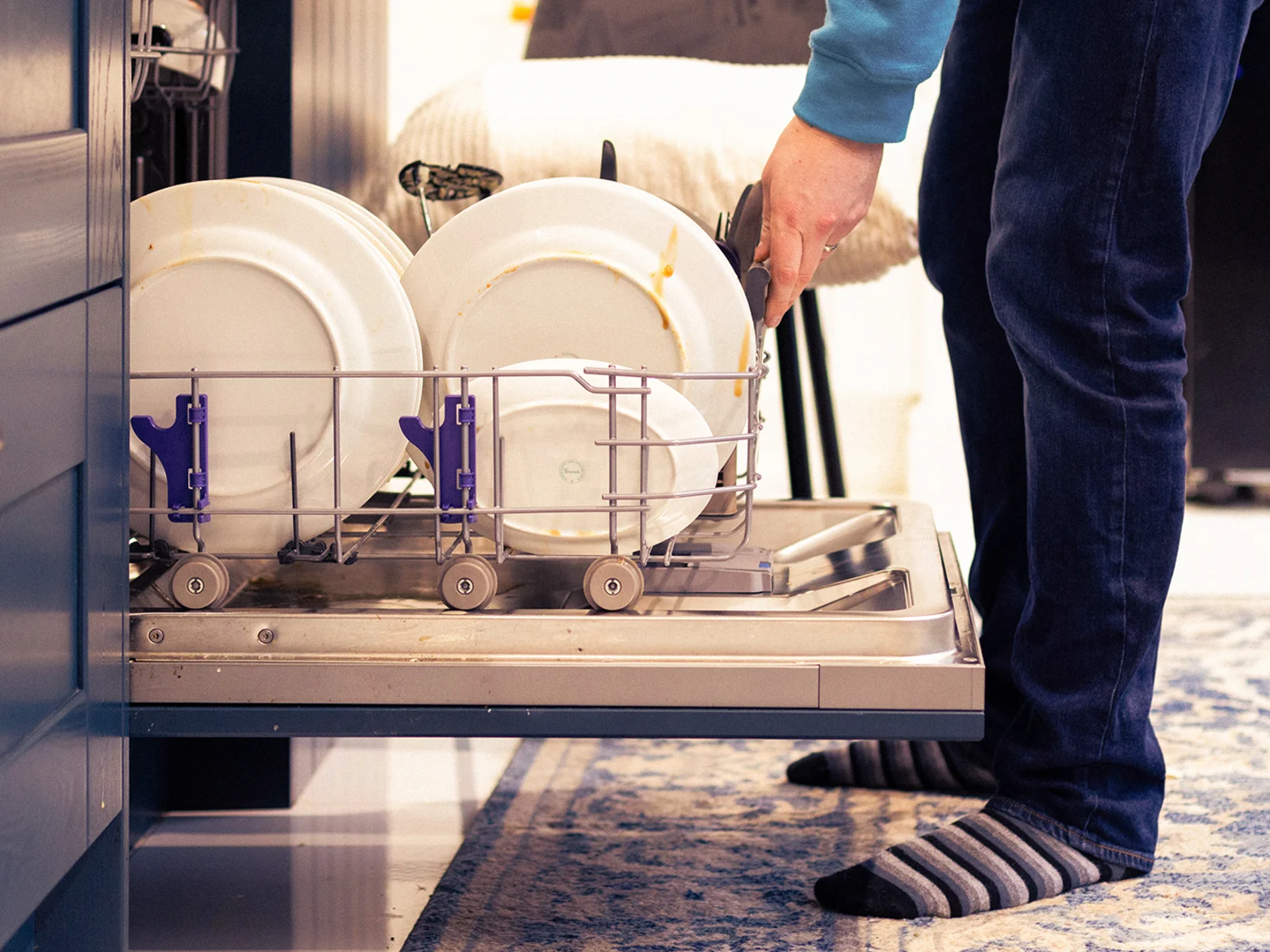
6. Dishwasher – Wait Until It’s Full
Running your dishwasher for over 3 hours a day could leave you with an annual cost of £89.69. But here’s the trick: only run it when it’s full. Many dishwashers these days also have eco modes that use less water and electricity—so use them!
Want more tips to cut down your usage? Check out our 40 Energy Saving Tips guide.
Take control of your energy costs
Lock in over £350 in savings vs January’s projected price cap and get the cheapest 12-month tariff on the market.
Plus, we’ll throw in up to £250 in Cashback Card credit and up to £400 in switching credit.
What appliances use the most energy on standby mode?
Ever heard of phantom energy? It’s real, and it’s wasting around £250 a year in the average UK household. That’s right—appliances you’re not even using could be eating away at your bill. Here’s a quick rundown of what you might be losing to standby mode:
Appliance | Annual Standby Costs |
|---|---|
TV | £0.60 |
Blu-ray Player | £0.88 |
Smart Plug | £1.13 |
Wireless Speaker | £7.00 |
Soundbar | £5.17 |
Set-top Box | £2.99 |
TV Streamer | £2.58 |
Data based on Loop phantom load usage estimates calculated at the UK average rate of 26.11p/kWh.
How to calculate how much electricity your appliances use
Want to get hands-on with figuring out your own appliance costs? The math is simple:
Energy (kWh) = Wattage×Usage Time (hours) / 1000
So, for example, of a 1500-watt space heater that runs for 2 hours a day:
1500 × 2 / 1000 = 3 kWh per day
Multiply that by your energy cost (in this case, 26.11p per kWh):
3 × 0.2611 / 100 = £0.78 per day
Over a year, that's nearly £286 just for one appliance ! Imagine what all your gadgets combined are costing you.
Cut down on your energy use today
Your household appliances don’t have to cost you a fortune. By being smarter about how you use them, you can keep your electricity bill under control. Start with the biggest offenders—like your tumble dryer and electric shower—and make sure you’re not letting phantom energy sneak up on you. For even more ways to cut down, head over to our Energy and Electricity pages.
“Whether you’re looking for a variable tariff or prefer a fixed tariff for total peace of mind, we offer energy prices consistently below the price cap when you bundle with our other award-winning services. We can get you switched over in as little as two days with no disruption to your supply. We offer even greater savings when you upgrade to a free smart meter so you never have to worry about giving a meter reading again.”
David Walter
Chief Commercial Officer


I spoke to Chloe and she was very…
Very pleasant and helpful young…
Brilliant.
Related Articles

Energy saving tips
How to save electricity and lower your energy bills
Knowing how to save energy at home isn't about massive life overhauls; it's about making small, clever tweaks to how you run your home.
How to Bleed a Radiator
Got your heating on full whack, but somehow your home still feels cold? Can you feel cold spots on your radiators? It might be time to bleed them.

What is an EPC?
A Simple Guide to Energy Performance Certificates : 3 Feb 2025 - Ever wondered how energy-efficient your home is? Well, an energy performance certificate, or EPC, could give you the answers you're looking for.

How to Use Central Heating Economically and Save on Your Energy Bill
Since home heating and hot water contribute to an estimated 50% of energy bills, we’re sharing practical tips on how to use your central heating system more economically.