Home > Energy > Energy Guides > A complete guide to smart meters
A complete guide to smart meters
What they are and how they can save you money
Written by David Walter, Chief Commercial Officer
12 Aug 2024: Nobody likes having high energy bills – we can all agree on that. Which is why knowing how to be more efficient and reduce your usage is super important.
That’s where smart meters come in. They give you real-time data about your energy consumption, so you can have more control and start making savings.
In 2023, 3.5 million smart meters were installed in homes across the UK, but if you haven’t made the switch, we’re here to help.
In this guide, we’ll explain what a smart meter is, how they work, and why they might be a great choice for your home.
The UK’s cheapest energy
UW is the cheapest energy provider for fixed and variable tariffs when you bundle vs major providers.
Lock in £100+ savings now vs the increasing energy price cap for peace of mind on energy costs.
What is a smart meter?
A smart meter is an energy meter that measures how much gas and electricity you're using and gives you the information in near real-time. Smart meters automatically send the information directly to your energy provider. This means you’ll always get accurate bills.
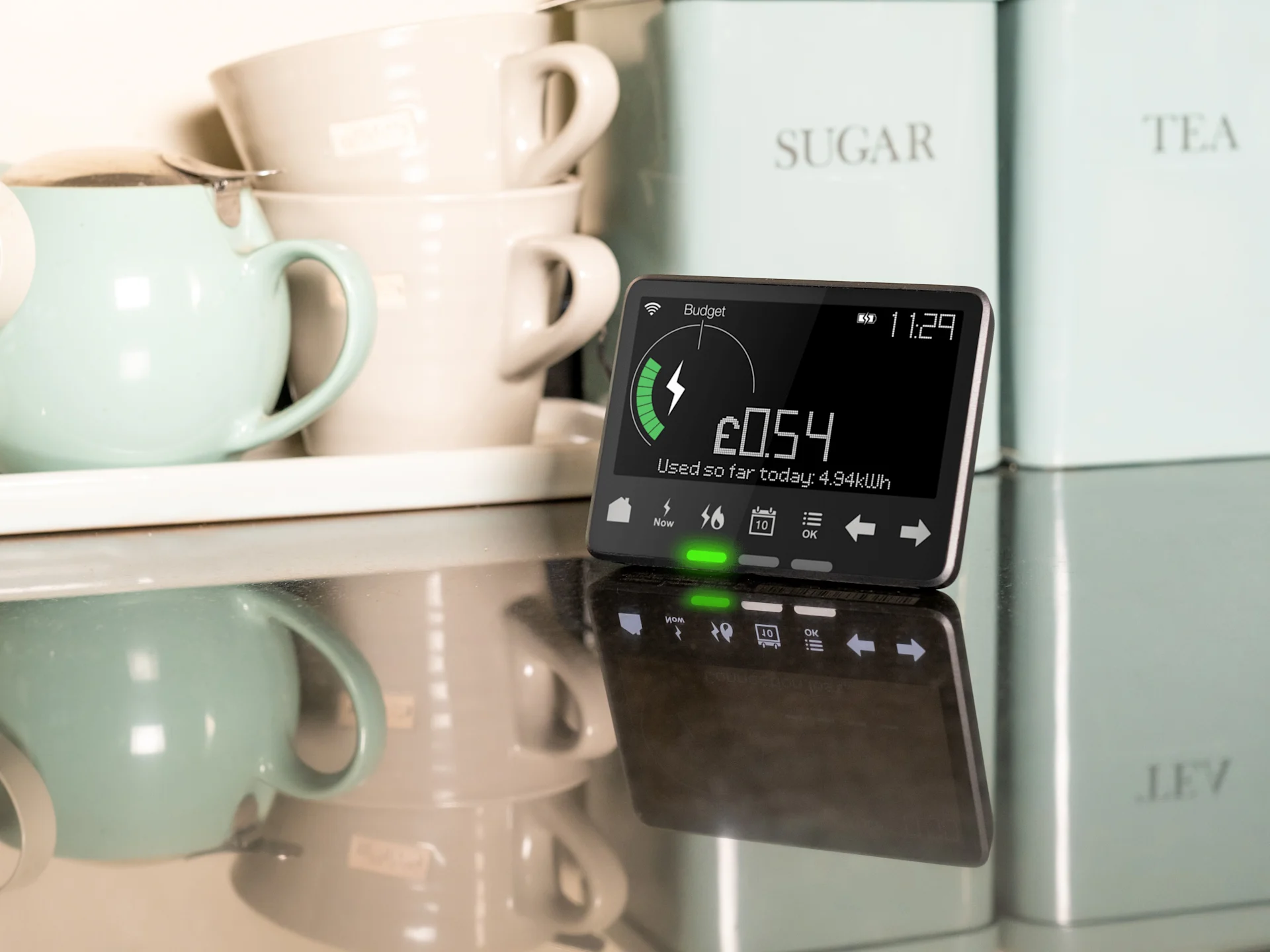
You can also monitor your energy consumption data through a digital display in your home.
There are two key components of smart meters:
The meter — This is installed in place of a traditional gas or electricity meter and works in the same way: by measuring how much energy you use at home. It records the information digitally and transmits the data to your energy provider.
The smart display — The smart display, or in-home display (IHD), is a separate device that communicates wirelessly with your meter. It can show you how much energy you’ve used and how much it will cost. The display is usually a small, portable digital screen that you can place or move around your home.
How does a smart meter work?
Through the Data Communications Company (DCC), smart meters use a secure wireless network to automatically send energy usage data to your provider. As they use their own network, they transmit the data without having to tap into your home internet connection.
Once installed, the smart meter measures your energy consumption and sends regular updates to your provider.
The smart meter also relays the information to your in-home display, giving you an accurate idea of your usage at that moment.
What are the benefits of smart meters?
Monitor your usage in real-time
One of the biggest advantages of smart meters is being able to see exactly how much energy you’re using, as you’re using it, and how much it’ll cost.
Previously, it was nearly impossible to see what was causing energy usage spikes, but smart meters can now tell you how much energy a certain appliance may be using.
Get more accurate bills
Gone are the days of estimated bills and meter readings. Smart meters automatically inform suppliers of your usage, meaning you don’t need to take manual readings or have engineers round to check meters. You’ll receive bills based on your actual consumption rather than estimates, so you can be sure you’re paying for your usage and nothing else.
Adjust your usage to reduce your bill
Understanding your energy patterns better can help you identify areas where you can cut back to save on your bills. For instance, appliances left on standby mode when not in use could be slowly driving up your bill – but being able to identify this with real-time insights can help you make a more conscious decision to switch off and unplug electronics that are using electricity.
This insight allows you to make decisions about how to use less energy during peak times, which can lead to lower energy costs.
No more manual meter readings
Smart meters automatically send your energy usage data to your provider, removing the inconvenience of taking manual meter readings. This means you no longer have to submit readings yourself (unless you want to, of course!) or have someone come to your home to read the meter.
Set usage limits
Many smart meters allow you to set daily or monthly energy usage targets. The in-home display can alert you when you’re nearing these limits, helping you stay within a budget and manage your energy consumption more effectively.
Prepayment friendly
Prepayment customers can sometimes be left behind when the energy industry advances, but smart meters are something they can take advantage of – knowing how much energy you have left on your meter is crucial, and the displays will show how much credit you have left.
And now, with smart technology, you can top up your balance from your phone or computer. No more traipsing down to a pay point. You can add credit easily and be sure you’re never in danger of running out at any time.
Supporting smarter grids
As Britain moves toward a smart grid and utilising new technologies and ways to deliver energy, smart meters will sit at the centre of this. Two-way communication between consumers and the energy grid will allow for smarter, real-time responses to energy demand.
What are the disadvantages of smart meters?
Smart meters offer plenty of benefits, but there are a few things to consider before deciding to make the switch. Here are the key points to understand when it comes to smart meter drawbacks:
First-generation smart meters (SMETS1) may need reconnecting or replacing — Early models of smart meters, known as SMETS1, sometimes lose smart functionality when you switch energy providers. They might need to be reconnected or even replaced if they can’t be updated remotely. The good news is that this problem is slowly going away, thanks to the DCC enrolling these meters into the smart network.
Switching to a smart meter requires professional installation — If you choose to upgrade to a smart meter, it’ll need to be installed by a professional technician to make sure it’s fitted and configured correctly.
What does a smart meter look like?
Recently moved, and not sure if you have a smart meter or not? You’re not alone.
Smart meters tend to look pretty similar to traditional gas or electricity meters. The key difference is that they’ll often have a digital display with buttons that let you scroll through the features.
You can also check if you have a smart meter by using the Citizens Advice tool:
For residents in England and Wales
For residents in Scotland
Do I have to have a smart meter?
No, you don’t have to have a smart meter installed, as they’re not compulsory. You also have the right to refuse the installation of a smart meter in your home if your energy supplier offers you one. However, this might mean you can’t purchase certain energy tariffs, like time-of-use tariffs.
While having a smart meter installed isn’t mandatory for households across the country, the UK Government has set goals for energy suppliers to install smart meters in at least 74.5% of homes and nearly 69% of small businesses by the end of 2025. Energy firms must take “all reasonable steps” to fit smart meters for customers if they’re replacing a traditional meter or installing one for the first time (like in a new-build property).
Types of smart meters
In the UK, there are two main types of smart meters: SMETS1 and SMETS2.
SMETS1
These first-generation smart meters were the initial wave of smart meters rolled out across the UK in 2013. This type of smart meter offers the ability to track energy usage in real-time. It removed the need for manual readings, but there was one main drawback: SMETS1 meters can lose their smart functionality if you switch energy suppliers, and they could stop automatically sending readings. It’s estimated that 11 million of the first-generation meters have been reconnected to the smart meter network, with more to be fixed and enrolled into the smart network over time.
SMETS2
The SMETS2 meters are the ones installed by UW and are an upgraded version of the original smart meters.
They’re designed to address many of the issues found in SMETS1 meters. These second-generation meters are fully compatible with different energy suppliers in the UK, regardless of which supplier you choose or switch to.
How can I get a smart meter?
If you’d like to upgrade your traditional meter to a smart version, it’s recommended that you contact your energy provider. They should be able to arrange an installation appointment to help you make the switch and show you how to use it.
At UW, we offer all existing customers a free upgrade to a smart meter. Learn how you can control your energy costs with a smart meter here.
Frequently asked questions about smart meters
As the UK government aims to upgrade most homes in the country to smart meters, they are usually free for households to make the switch. This means there are no upfront charges for customers for the installation of a smart meter, and the cost will often be covered as part of their energy bill.
Yes, you can have a smart meter if you’re on a prepayment or pay-as-you-go energy tariff.
Smart meters are available for both credit and prepayment customers, it’s just down to your supplier to program the meter to work in prepayment rather than credit mode.
Yep, it’s possible to have a smart meter installed if you live in a flat or high-rise building.
However, depending on the location of your meter and the type of building, installation in flats can sometimes be more challenging. This is because a lot of infrastructure can interfere with the signal that smart meters use to send data to your supplier.
To combat this, the Department for Energy Security & Net Zero (DESNZ) is expected to introduce a technical solution that makes it possible for smart meters to function in 99% of homes from July 2023.
If you’re a tenant in a rented property, you can have a smart meter installed. There are certain requirements, though; you must be the account holder for the energy bills at the property to be able to request a smart meter.
While it’s not mandatory, it’s recommended that you ask your landlord first, as you may need their permission to change the structure of the property under your tenancy agreement.
Smart meters themselves won’t save you money directly, but they can give you detailed information to help you understand and manage your energy consumption better. This, in turn, can lead to savings on your bill.
For example, with your in-home display, you might notice that certain tasks use more energy than you realised — this might be using the tumble drier or watching TV. Armed with this knowledge, you could make tweaks to everyday jobs to reduce the amount of energy you use.
No, smart meters don’t need to be connected to a Wi-Fi network to work. They use a different wireless network to communicate directly with your energy supplier, so they’ll work normally even if your broadband goes down.
Make the smart switch with UW
If you’re yet to make the switch but want to start making changes to your usage, we can help. We offer free smart meter installation to all of our existing customers so you can take control of your energy.
Learn more about upgrading to a smart meter here.
Energy Guides

Energy saving tips
How to save electricity and lower your energy bills
Knowing how to save energy at home isn't about massive life overhauls; it's about making small, clever tweaks to how you run your home.
Energy efficiency tips for your boiler
Taking care of your boiler will help keep your home energy efficient. UW can help you with this. Check out our top tips today.
Ways to save a little more with UW during the energy crisis
We recognise that some UK families are facing a serious challenge. Rises to wholesale energy costs are affecting energy bills on top of other cost-of-living rises.