Home > Energy > Energy Guides > What is a kWh and how much is it
What is a kWh and how much is it?
Understanding gas and electricity costs
Written by David Walter, Chief Commercial Officer
Updated on 5 October 2026 - Ever looked at your energy bill and wondered, 'What is a kWh?'. Don't worry, you're not alone. Understanding how gas and electricity are measured can help you make sense of your bills – and maybe even save you a bit of money along the way.
In this guide, we’ll break down what a kWh is, how to calculate it, and how it’s used to calculate costs for both gas and electricity.

Take control of your energy costs
Lock in over £350 in savings vs January’s projected price cap and get the cheapest 12-month tariff on the market.
Plus, we’ll throw in up to £250 in Cashback Card credit and up to £400 in switching credit.
What is a kWh?
A kWh, or kilowatt-hour, is a measurement of how much energy you’re using per hour. It's how your energy company keeps track of how much gas and electricity you use in your home.
Despite the name ‘kilowatt-hour’, it doesn’t mean how many kilowatts are used per hour – it means how many kilowatts a 1,000-watt appliance uses in an hour. Put simply, one kilowatt-hour is the amount of energy you’d use if you ran a 1,000-watt appliance for one hour.
So, let’s say you have a 1kW heater on for an hour – that would use 1kWh of energy. If you left that heater on for 10 hours, you’d use 10kWh.
Different appliances have different wattages. Low-wattage appliances tend to be ones that stay on all the time, like fridges, while high-wattage appliances are typically ones that you only need to switch on when you need them – for example, kettles and hairdryers.
What’s the difference between a kW and a kWh?
A kilowatt-hour (kWh) is a measure of energy and tells you how much is used over time. A kilowatt (kW) is a measure of power and refers to how much energy an appliance needs to run.
One kilowatt (kW) contains 1,000 watts of energy, and every appliance in your home uses watts to run. Each appliance will have a power rating, which is how many watts (W) it needs to be able to work.
Let’s say you have a 2kW fan oven:
If you use it for 1 hour, it will use 2kWh of electricity (2kW × 1 hour = 2kWh)
If you use it for 30 minutes, it will use 1kWh (2kW × 0.5 hours = 1kWh)
To put it another way, think of kW as the speed of your car and kWh as the distance you’ve travelled. The faster you drive (higher kW), the more fuel (energy) you’ll burn over a set time (kWh). Similarly, an appliance with a higher kW rating will use more kWhs the longer it’s left on.
How to calculate a kilowatt hour (kWh)
Working out your energy use in kilowatt-hours (kWh) is easy.
Here’s the simple formula: Power (in kilowatts) × Time (in hours) = Energy used (in kWh)
For example, imagine you’ve got a 2kW kettle, and you’re using it for 30 minutes a day (which is 0.5 hours).
Using the formula, here’s what the calculation would look like: 2kW × 0.5 hours = 1kWh
This means that your kettle would use 1 kWh of electricity each day if you used it for 30 minutes daily. Over a week, that’s 7 kWh, which will show up on your electricity bill.
Appliances with higher power ratings (like electric showers or tumble dryers) and those that run for longer periods of time will use more energy, resulting in higher kWh usage.
So, the next time you purchase a new appliance or review your usage, it’s worth considering how many watts your appliances are using to understand how much you could be paying to run them.
How much is a kWh of electricity?
Your electricity bill boils down to how many kilowatt-hours (kWh) you use and what unit rate you’re being charged for each one. The more kilowatt-hours you use, the more your electricity bill will be.
Wondering how much a kWh of electricity costs? It depends on things like your supplier, where you live, and the tariff you’re on.
Your energy supplier – different suppliers charge different unit rates.
Where you live – prices can be higher or lower depending on your region.
Your tariff – some tariffs may offer cheaper rates during certain times of the day, like Economy 7 tariffs.
How you pay – paying by direct debit often gets you the best deal.
Your standing charge – your standing charge is the cost of staying connected to the National Grid, and it can vary depending on your supplier.
What’s the cost of gas per kWh?
Gas works the same way as electricity when it comes to billing – it's all about how many kilowatt-hours (kWh) you use and what your supplier charges for each one. The principles are the same, too – the more gas you use per kWh, the more you’ll pay.
And like electricity costs, the amount on your gas bill will be affected by things like your supplier, your location, your tariff type, how you pay, and what kind of meter you have.
Save time and money on your household bills
Unlock maximum savings on award winning energy, broadband, mobile and insurance.
Up to 10% back on everyday spending with a UW Cashback Card
£400 towards existing provider termination fees and 30 days to change your mind, penalty free
Your local UW Partner will sort it all for you. No stress, just savings and more savings.

What’s the gas and electricity cost per kWh in the UK?
Since the cost per kWh of energy depends on a number of factors that vary from person to person, there’s no one-size-fits-all price for gas and electricity.
However, most people’s gas and electricity rates fall under the energy price cap. Ofgem sets the price cap to put a limit on the amount that energy suppliers can charge customers for each unit of gas or electricity and updates it every three months to reflect changes in wholesale energy prices. It applies to customers on default or standard variable tariffs but doesn’t cover fixed-term deals.
Learn more about the energy price cap here.
Here’s an overview of Ofgem’s price cap rates in 2025 and 2026:
Electricity unit rate and standing charge | Gas unit rate and standing charge | |
October – December 2026 (Current) | 26.32p per kWh 54.83p daily standing charge | 7.97p per kWh 29.68p daily standing charge |
July – September 2026 | 26.11p per kWh 57.19p daily standing charge | 7.33p per kWh 29.04p daily standing charge |
April – June 2026 | 24.67p per kWh 57.21p daily standing charge | 5.74p per kWh 29.09p daily standing charge |
January – March 2026 | 27.69p per kWh 54.75p daily standing charge | 5.93p per kWh 35.09p daily standing charge |
October-December 2025 | 25.73 pence per kWh 60.97 pence daily standing charge | 6.89 pence per kWh 31.65 pence daily standing charge |
July-September 2025 | 22.36 pence per kWh 60.12 pence daily standing charge | 5.48 pence per kWh 31.41 pence daily standing charge |
April-June 2025 | 24.50 pence per kWh 60.10 pence daily standing charge | 6.04 pence per kWh 31.43 pence daily standing charge |
January-March 2025 | 28.62 pence per kWh 53.35 pence daily standing charge | 7.42 pence per kWh 29.60 pence daily standing charge |
The last switch you’ll ever make
Get up to £250 Cashback Card credit and £400 to help you switch. We promise you'll save money, or we'll pay you double the difference.
Find a Utility Warehouse Partner to help you get your energy, broadband, mobile and insurance sorted. We're here to make your life easier by getting your home services in one place.
How many kWh does an average household use?
Ofgem’s Typical Domestic Consumption Values (TDCVs) report is used as an industry standard for estimating how much gas and electricity households use on average each year.
Here are Ofgem's average estimates for typical gas and electricity kWh usage based on different types of properties from its TDCV published in October 2023:
Property type | Typical annual gas use (kWh) | Typical annual electricity use (kWh) |
A flat or 1-bedroom house (1-2 people) | 7,500 | 1,800 |
A 1-3 bedroom house (2-3 people) | 11,500 | 2,700 |
A 4+ bedroom house (4-5 people) | 17,000 | 4,100 |
The UK’s domestic energy consumption has consistently decreased since 2002, possibly thanks to newer, more efficient appliances and rising energy costs causing people to cut down on their usage.
Which appliances use the most kWh?
To work out which appliances use the most energy, remember the golden rule: the more kilowatts (kW) they need to run and the longer you use them, the more electricity (kWh) they’ll use. Plus, not all household appliances are made equal, and some will be more energy-efficient than others.
With a few variables to consider, one way to understand which household appliance uses the most electricity is by looking at which ones have the highest cost based on usage.
Here’s a breakdown of some potential energy-guzzling culprits at home based on the Citizens Advice energy usage calculator.
Tumble dryer – tumble dryers are one of the biggest energy users in the home. Running one for a three-hour cycle each day could cost you £162.94 a year.
Electric shower – showers are another major energy drain, especially if you like a long, hot soak or you’re using an electric/power shower. A 10-minute shower every day adds up to £120.45 annually.
Fan oven (180°C) – cooking in an electric fan oven for an hour each day will set you back £133.54 a year.
Washing machine – washing clothes can also rack up your bill, with a four-hour daily cycle adding over £100 to your electricity bill.
Find out which other devices could be costing you with our guide on which appliances use the most electricity at home.
How to save on your kWh usage
Reducing your kWh usage doesn’t have to mean drastic lifestyle changes. With a few simple tweaks, you can lower your energy consumption and cut down on your bills. Whether it’s adjusting how you use your appliances or making small changes to your daily routine, these tips will help you save energy without sacrificing comfort.
Switch to energy-efficient appliances – energy-saving appliances (especially the ones with an A rating or higher) might cost a little more to buy, but they’ll keep your bills lower in the long run by using fewer kWh.
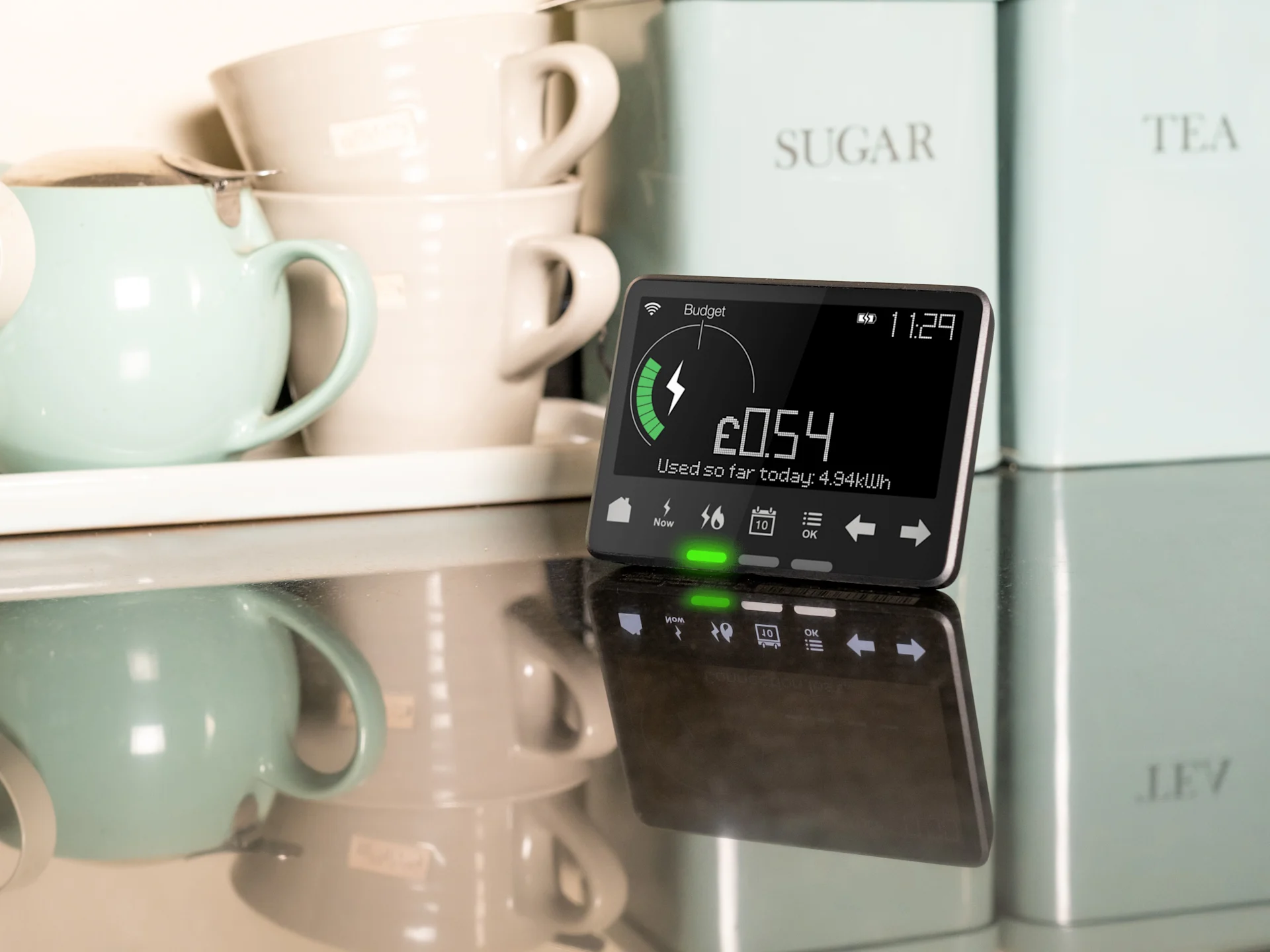
Upgrade to a smart meter – installing a smart meter helps you understand your energy usage more clearly. By seeing where electricity is being used more around your home, you can make changes to cut your consumption. Find out more about how smart meters work here.
Unplug devices when not in use – did you know that some devices continue to use energy, even when they’re switched off but still plugged in? Unplugging them or using a smart plug to control power can help cut down on ‘vampire’ energy drain.
Run appliances on energy-saving settings – in the age of technology, devices are now smarter than ever, and some even come with energy-saving modes that use less power than traditional settings. Opt for an energy-friendly option wherever possible.
Use energy-efficient lighting – switch to LED bulbs, which use much less electricity than traditional incandescent bulbs and last much longer too.
Making just a few changes can make a big difference in your kWh usage over time. If you’re looking for more ways to slash your energy consumption, discover more energy-saving tips here.
Take control of your energy costs with Utility Warehouse
Understanding how kWh works and how much energy your appliances use can make a big difference in managing your energy bills.
If you’re ready to start cutting down on your energy costs, discover all our energy deals today.
Award winning energy for value when it matters most
Best Value Energy Supplier rated by Expert Reviews
Uswitch Best Value for Money in 2025
Rated “Excellent” on Trustpilot
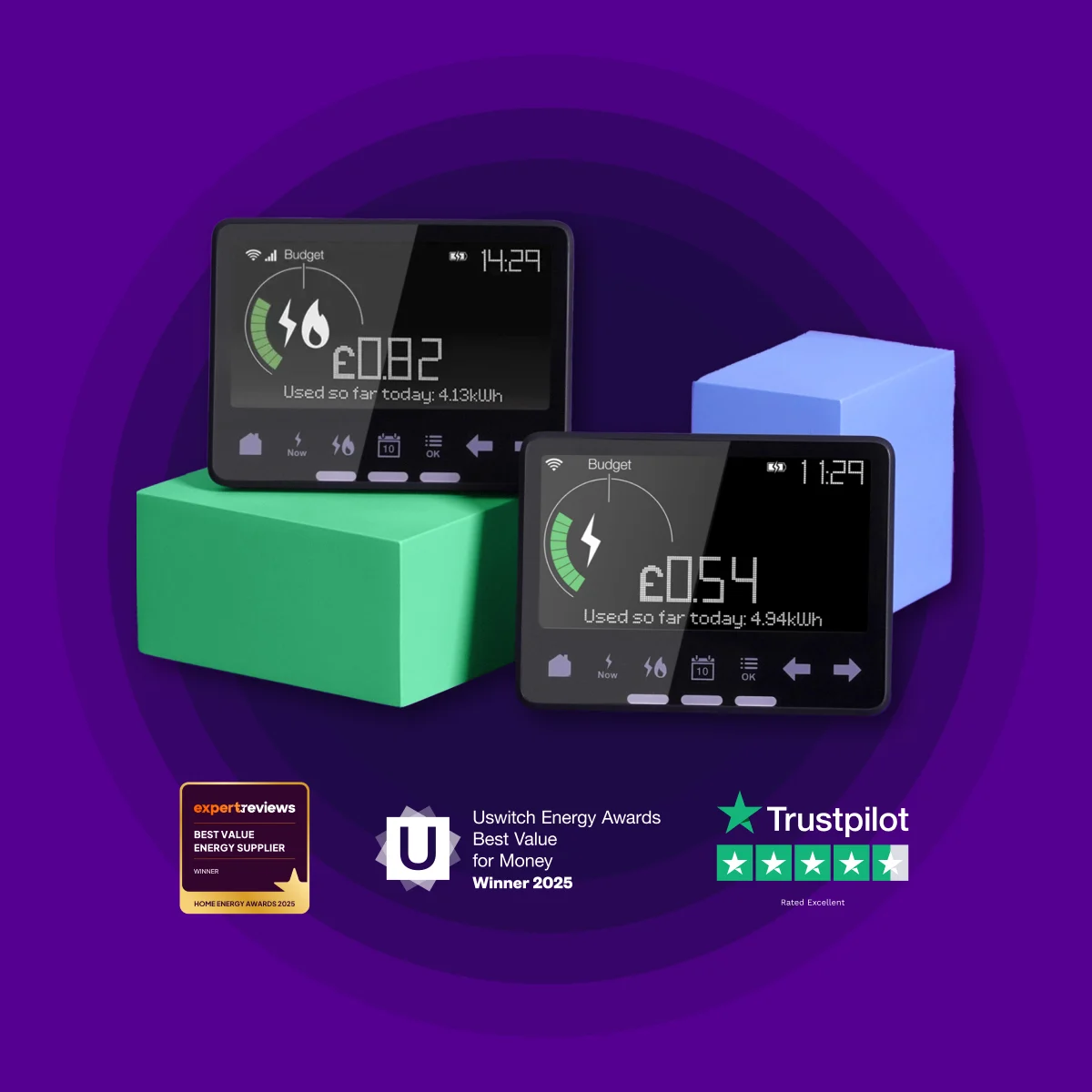
“Whether you’re looking for a variable tariff or prefer a fixed tariff for total peace of mind, we offer energy prices consistently below the price cap when you bundle with our other award-winning services. We can get you switched over in as little as two days with no disruption to your supply. We offer even greater savings when you upgrade to a free smart meter so you never have to worry about giving a meter reading again.”
David Walter - Chief Commercial Officer


I spoke to Chloe and she was very…
Very pleasant and helpful young…
Brilliant.
Related Articles
Energy saving tips
How to save electricity and lower your energy bills
Knowing how to save energy at home isn't about massive life overhauls; it's about making small, clever tweaks to how you run your home.
A Complete Guide to Smart Meters: What They Are And How They Can Save You Money
Nobody likes having high energy bills – we can all agree on that. Which is why knowing how to be more efficient and reduce your usage is super important.