Home > Energy > Energy Guides > How Do Solar Panels Work
How Do Solar Panels Work?
A Simple Guide to Solar Energy
Written by David Walter, Chief Commercial Officer
Last updated 2 October 2026: Solar energy is one of the most sustainable ways to reduce your energy bills and lower your carbon footprint, and it’s becoming more accessible than ever.
Take control of your energy costs
Lock in over £350 in savings vs January’s projected price cap and get the cheapest 12-month tariff on the market.
Plus, we’ll throw in up to £250 in Cashback Card credit and up to £400 in switching credit.
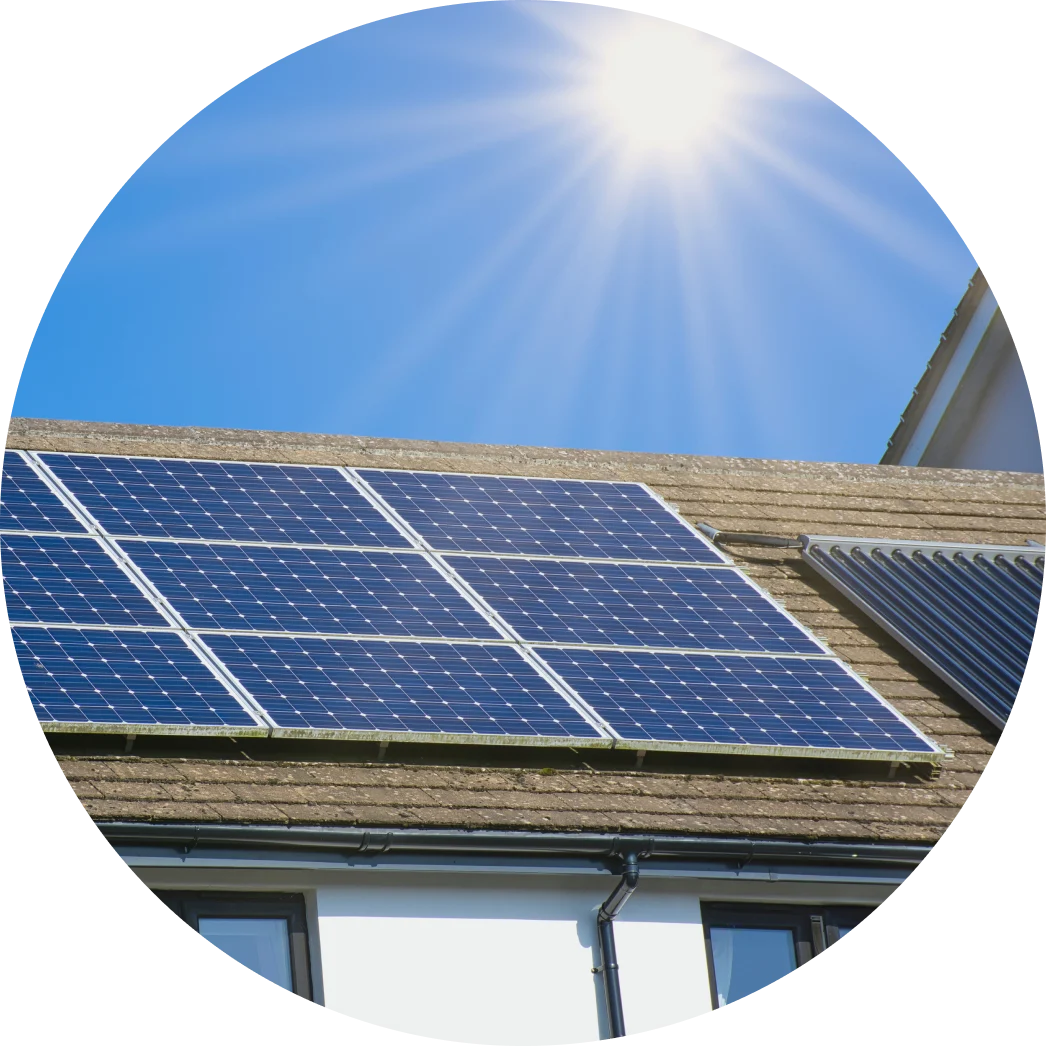
Whether you're just starting to explore solar power or you're already considering installing panels at home, we’ll walk you through the basics of solar energy, how the panels work, and the benefits of harnessing the power of the sun.
What is solar panel energy?
Solar panel energy, also known as solar power, is energy captured from the sun’s rays and converted into electricity using solar panels. These panels absorb sunlight and convert it into usable energy for your home.
Solar power is a renewable energy source that won’t run out like fossil fuels. It’s clean, sustainable, and produces less environmental impact than traditional energy sources.
By harnessing the energy from the sun, you can power your home, reduce your energy bills, and lower your carbon footprint.
How do solar panels work?
Solar panels, or photovoltaics (PV), contain many smaller parts called solar cells. These cells are usually made up of layers of a material like silicon and finished with a glass casing.
Silicon is excellent at absorbing UV rays, and when the sunlight hits these cells, it causes the electrons in the silicon to move. This movement of electrons generates an electric current – which is the electricity you can use to power your home.
The electricity produced by the solar panels is direct current (DC), but most homes use alternating current (AC). To turn the electricity into usable energy, the DC is sent to an inverter, which changes it into AC, then it’s ready to power your appliances, lights, and other electrical devices in your home. Learn more about the different ways electricity is made here.
If you generate more electricity than you use, you can store the excess energy in a solar battery or send it back to the grid, depending on your setup. This helps you make the most of the energy you’ve produced, even when the sun isn’t shining.
What types of solar panels are there?
When it comes to solar panels, not all are created equal. There are different types, each with their own benefits and ideal uses. Here are some of the most common types:
Monocrystalline solar panels
Monocrystalline panels are made from a single, continuous crystal structure and are best known for their sleek black appearance. These panels are the most efficient at converting sunlight into electricity, which makes them a great choice if you have limited space on your roof or need maximum performance. The downside is that they can be more expensive than other types of panels.
Polycrystalline solar panels
Polycrystalline panels are made from lots of silicon crystals, which makes them less expensive than monocrystalline panels but also less efficient. However, they’ll still provide excellent value if you want a more affordable option. These panels have a blue hue and are a popular choice for solar installations at home.
Thin-film solar panels
Thin-film panels are made by layering photovoltaic materials onto glass, plastic, or metal. Thanks to their lightweight nature, these panels are a lot more flexible than monocrystalline and polycrystalline panels, so they can be installed on trickier spots like curved surfaces. The drawback is that they tend to be less efficient, so you’ll need more of them to generate the same amount of energy.
The last switch you’ll ever make
Get up to £250 Cashback Card credit and £400 to help you switch. We promise you'll save money, or we'll pay you double the difference.
Find a Utility Warehouse Partner to help you get your energy, broadband, mobile and insurance sorted. We're here to make your life easier by getting your home services in one place.
What are the benefits of solar panels?
Save on your energy bills
By generating your own electricity, you can rely less on your energy supplier, which helps you lower your monthly utility bills. The more energy you generate, the less you need to purchase from the grid.
Environmentally friendly
Solar power is a renewable, clean source of energy that produces little to no greenhouse gas emissions. By switching to solar, you’re helping reduce your carbon footprint, which helps fight climate change.
Long-term investment
Although solar panels are an initial investment, they can save you money in the long run. The energy you generate can eventually offset their cost and your electricity bill. Plus, they can even increase your property’s value.
Energy independence
Solar panels make you less dependent on energy suppliers and the National Grid. Instead of relying solely on them, you can generate your own electricity, giving you greater control over your needs.
Where can I install solar panels?
It might seem intimidating if you're considering solar panels for your home, as they usually take up a lot of space. Fortunately, solar panels can be installed in a few different places around your property. Here are the most common spots:
The roof — The most popular place to install solar panels is on your roof because it tends to get the most exposure to sunlight, especially if you have a south-facing roof. Plus, installing panels on your roof saves space and keeps them out of sight. If your roof is flat, you might want to consider installing the panels on a frame to tilt them up so they can capture maximum sunlight.
In the garden — If you have limited roof space but have an open area like a garden, you could mount your solar panels on the ground by using a frame to tilt them towards the sun. The disadvantage to this, though, is that you’ll have to sacrifice garden space, and the solar panels could be blocked by surrounding trees, fences, or houses.
On a shed or garage — Solar panels can also be installed on outbuildings like sheds and garages. Just make sure that it’s strong and sturdy enough to hold the weight of the panels and that it gets plenty of sunlight.
How do solar panels work on a house?
Once your solar panels have been installed, they start generating electricity as soon as sunlight hits them. This electricity can power your home, but how it flows through your system depends on your setup.
Here’s a quick overview of how it all works:
Powering your home — The electricity generated by your solar panels is first converted into usable energy by an inverter, turning it from direct current to alternating current. Once converted, the electricity flows into your home's electrical panel to power your appliances.
Storage — If your panels produce more electricity than your home needs, you can store the extra energy for later use. A solar battery storage system lets you capture the unused energy during the day and access it at night or on cloudy days when your panels aren’t generating as much power.
Selling energy back to the grid — Another option is to sell your excess electricity back to the grid. Solar feed-in tariffs or energy credits can help you earn money or savings for the electricity you contribute, allowing you to get more from your solar energy system even when you don’t need the power yourself.
How many solar panels do I need to power a house?
The number of panels you need can vary, but you’ll typically need more if you use a lot of electricity or have appliances that use large amounts of electricity. For example, a five-bedroom detached home will need much more power than a one-bedroom terrace house.
Recent research from The Eco Experts recommends that an average 1 or 2-bedroom home may need six panels, while a 3-6 bedroom house could require up to 10 solar panels.
The number you’ll need also depends on things like:
Your energy usage
The size of your roof
The amount of sunlight you get
The type of panels you choose
The wattage of your panels
How much maintenance do solar panels need?
One of the benefits of solar panels is that they don’t need much maintenance once installed. With their long lifespan and minimal upkeep, solar panels are a relatively hassle-free way to produce clean energy.
However, a few simple things can help ensure that your system runs at its best for years to come.
1. Keep them clean
Cleaning them occasionally to remove dirt, dust, or debris will keep them running efficiently. In the UK, it rains often enough that the water will wash your panels for you and clear off any dust if they are tilted.
However, if dirt has built up on them, they may need a more thorough clean. To protect the panels’ surface, it’s recommended that you call a professional cleaning company to do the job for you.
2. Remove obstructions
From time to time, inspect your solar panels quickly to see if any nearby trees are hanging over or blocking sunlight from reaching your cells. This can reduce their efficiency and the amount of power you generate, so it’s recommended to keep an eye on them and trim them if needed.
3. Inspect for damage
While solar panels are built to withstand the elements, you’ll also want to check for any visible damage, especially after storms or extreme weather conditions. Look for cracks in the panels, loose wiring, or any other signs of wear and tear. If your panels are mounted on the ground, you’ll also need to look for any visible signs of rodent or wildlife damage.
If you notice anything unusual, contact a professional installer to have the system inspected and repaired if necessary.
4. Get regular servicing
As well as doing your own checks, it’s a good idea to have your solar energy system professionally inspected every few years.
A qualified technician can check the panels, inverter, and wiring to ensure everything is working as it should and maximise the lifespan of your panels.
Can solar panels store energy?
Solar panels cannot store energy on their own, but you can add a solar battery storage system to your setup.
Solar batteries keep the excess energy your solar panels generate during the day, so you can use it later when your solar panels aren’t producing electricity or during peak times to avoid higher electricity rates from your supplier. This helps the energy you generate go further and reduces your reliance on the grid.
Are solar panels right for me?
Solar panels offer various benefits, but they need an initial upfront investment and may not be the most practical option for everyone. Before you decide, it’s essential to evaluate the key factors that can affect your decision:
Do you have enough space?
Solar panels need space, so it’s vital to think about whether your home has enough room for a solar installation. The bigger your roof or property, the more panels you can install, which means you can generate more energy. If your roof space is limited, you might need to choose a smaller system, which will also reduce the energy you can generate.
According to Glow Green, the average dimensions of a residential solar panel in the UK are 189cm (L) x 100cm (W) x 3.99cm (H).
Do you get enough sunlight?
Homes that receive lots of direct sunlight throughout the year will benefit more from solar energy, but if you live in an area with frequent cloud cover or heavy shading from nearby trees or buildings, solar panels might not be as effective.
In these cases, you might need more panels to generate the same amount of energy or consider a battery storage system to make the most of the energy you generate on sunnier days.
Which direction does your roof face?
For those of us in the Northern Hemisphere, your panels should face south to maximise exposure to the sun. East- and west-facing roofs can also work, but may not generate as much energy as south-facing panels.
Before installing solar panels, one of the first things to do is see which direction your roof faces and whether it will provide the optimal amount of sunlight exposure.
What are your future plans?
Solar panels are a long-term investment, as it can take up to 13 years to break even and recoup the initial cost of the panels, according to the Energy Saving Trust.
So, if you’re not planning to stay in your home for a while and are looking to move, it might not be worth it.
What are your energy goals?
Finally, think about what you want from solar panels. Are you looking to reduce your carbon footprint, lower your energy bills, or become more energy independent?
Solar panels can help you achieve all three goals, but your specific needs may influence the type of system you choose. If sustainability is important to you, solar power offers a clean, renewable energy source that significantly reduces greenhouse gas emissions.
To help you decide, our guide to whether solar panels are right for you breaks down the cost, benefits, and savings in more detail.
FAQs
Yes, solar panels can still generate electricity on cloudy days as they can still capture diffused sunlight from the clouds, but they won’t be as efficient as when they’re in full sunlight. The amount of energy generated will depend on the thickness of the cloud cover and the intensity of the sun.
In areas with frequent cloud cover, you may need more panels or additional battery storage to ensure you have enough energy to meet your needs.
In most cases, you won’t need planning permission to install solar panels on your home as long as you meet certain conditions. For example, the panels should be installed on a roof and should not extend above the highest point of the roof.
However, there are exceptions, like if your property is a listed building or located in a conservation area, you may need permission before installation. In these instances, you’ll need to register your solar energy system with your Distribution Network Operator.
Solar panels generate electricity during the day when the sun is out, but do not create power at night.
However, if you have a solar battery storage system, you can store excess energy generated during the day and use it later, so you can continue to use solar power even after the sun has set.
Power your home with energy from UW
While solar panels are a fantastic way to reduce your energy bills and help the environment, they’re not the only way to manage your energy costs. At UW, we offer a range of energy tariffs to help you find the best deal for your home.
Discover our energy and single-fuel electricity deals here.
Related Guides

Is Electricity Cheaper at Night? How Off-Peak Energy Works
16 Mar 2026 - When it comes to lowering your energy bills, timing can be everything. So, is electricity cheaper at night?
Which Household Appliances Use The Most Electricity?
18 Sep 2026 - Energy bills can creep up on us, especially when we don't realise which household gadgets and appliances are silently guzzling electricity in the background
“Whether you’re looking for a variable tariff or prefer a fixed tariff for total peace of mind, we offer energy prices consistently below the price cap when you bundle with our other award-winning services. We can get you switched over in as little as two days with no disruption to your supply. We offer even greater savings when you upgrade to a free smart meter so you never have to worry about giving a meter reading again.”
David Walter - Chief Commercial Officer