Home > Energy > Energy Guides > Are Solar Panels Worth It in the UK
Are Solar Panels Worth It in the UK?
A Breakdown of Costs and Savings
Written by David Walter, Chief Commercial Officer
Last updated 2 October 2026 - With energy prices still high and more people looking for ways to cut household bills, interest in solar panels has soared across the UK. But are they actually worth the investment?
In this guide, we’ll explore the costs, potential savings and other key bits to consider when deciding if solar panels are right for your home.
Take control of your energy costs
Lock in over £350 in savings vs January’s projected price cap and get the cheapest 12-month tariff on the market.
Plus, we’ll throw in up to £250 in Cashback Card credit and up to £400 in switching credit.

What are solar panels, and how do they work?
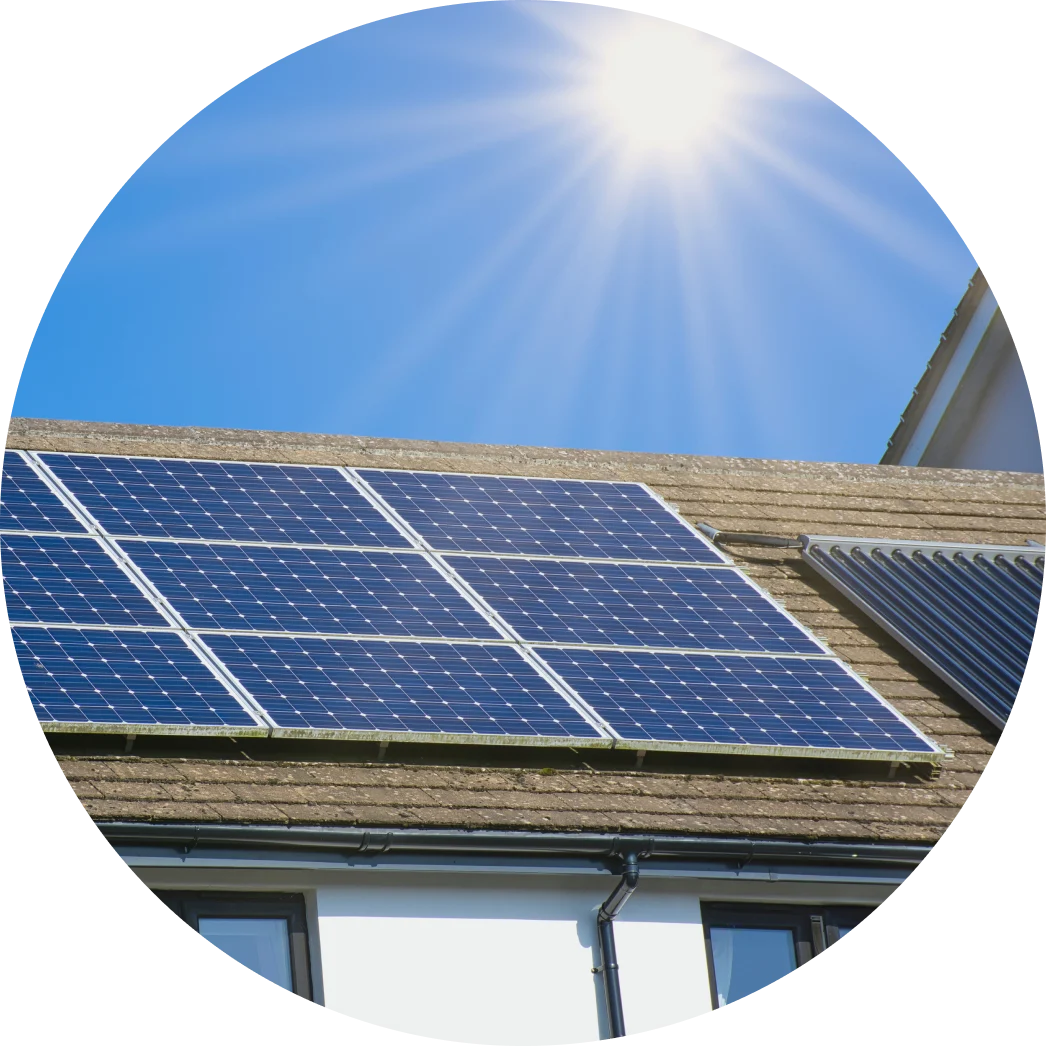
Solar panels are made up of photovoltaic (PV) cells that capture energy from sunlight and convert it into electricity. The electricity they generate can then be used to power your home, which means you then need to buy less from your energy supplier. You can learn more about where electricity comes from and how it powers our homes here.
If your solar panels produce more electricity than you use, the surplus can then be sent back to the grid through something called the Smart Export Guarantee (SEG). This will allow you to earn a small payment for every unit you send back to the grid.
If you want to understand the technical side of how these systems operate, check out our guide to how solar panels work.
What are the benefits of solar panels?
Solar panels have many benefits. Here are the top reasons people choose to invest in them:
1. Lower electricity bills
Generating your own power means you’re buying less, which adds up to big savings over time.
2. Protection from rising energy prices
With solar, a chunk of your energy is self-generated, so you’re less exposed to future price hikes.
3. Potential income from selling surplus power
If you generate more electricity than you use, you can sell it back to the grid via the Smart Export Guarantee (SEG).
4. Lower carbon footprint
Solar energy is clean and renewable, helping reduce your home’s impact on the planet.
What are the drawbacks?
There are some important things to consider before going ahead. Here are some things to watch out for.
High upfront costs
According to the Energy Saving Trust, a typical solar panel system for a UK home costs an average of £6,100. The cost depends on the type of roof, the size of the system, and whether you choose panels or tiles.
Weather and daylight dependent
Solar panels work best when there’s a lot of sunlight, which means they generate the most energy in the spring and summer, and less in winter – which is when you probably want more electricity. While they still work on cloudy days, their output is reduced. For these reasons, one of the main factors that dictates how much energy you can generate is your geographical location.
They’re not suitable for all roofs
Roofs that face north, are heavily shaded, or are in poor condition may not generate enough electricity to make the investment worthwhile. It’s also harder to install solar panels on smaller or shared roofs, flats, or listed properties.
It can take time to make your money back
It could take years before you break even, depending on how much energy you use and how much your installation costs.
How much do solar panels cost to install?
According to Energy Saving Trust, an average 3.5 kWp solar panel system (which suits most medium-sized UK homes) costs around £6,100, including installation and VAT. However, this is an average, and prices can vary depending on the brand of panels, the size of the system, and the complexity of the installation.
Adding a battery storage system bumps up the cost, sometimes by several thousand pounds, but it allows you to store electricity, which you can then use in the evenings or on overcast days. While batteries aren’t essential, they can help you get more value from the electricity your solar panels produce.
Always make sure to get quotes from MCS-accredited installers. This ensures your system qualifies for SEG payments and meets national standards.
How much can you save with solar panels?
According to the Energy Saving Trust, a typical household could save between £470 and £650 a year on electricity bills with a standard solar panel system and through export payments.
Households that are home during the day tend to save more, as they’re using their own solar-generated electricity instead of drawing from the grid.
If you’re eligible for SEG payments, you could earn a bit more by selling unused electricity back to the grid, though rates vary by supplier.
According to Money Saving Expert, SEG rates can range from 1p per kWh to 30p per kWh, and they estimate that a typical household could make as much as £550 a year based on a rate of 15p per kWh
Adding a battery can also increase your savings by helping you use more of your own electricity, but it comes with higher upfront costs
You can also install a battery, which stores any excess energy to use when your panels aren’t generating electricity. The Energy Savings Trust estimates that you can save 14p for every unit of electricity stored in your battery and used at night. The flip side of this is that batteries cost £5,000 to £8,000.
You can also save money by getting a diverter. This device uses any excess solar energy to heat your water tank. And while this might not cover all your hot water costs, it can help to bring costs down. The Energy Savings Trust does flag that getting a solar diverter could add roughly £800 to your installation costs
Lastly, the exact amount you save will depend on several factors, including how much electricity your household uses, when you use it, and how much sunlight your roof receives.
When will solar panels pay for themselves?
Most households can expect to break even between 11 and 13 years after installation. However, for households in some parts of Scotland or Northern Ireland, it could take up to 20 years after installation, depending on the cost of their system and the level of savings.
This means solar panels are best seen as a long-term investment. You’ll save money gradually over time, and those savings can add up, especially if energy prices continue to rise.
Here’s an example payback timeline to give you an idea of how long it’ll take to earn back the money from solar panels in your home:
Home all day | Home in mornings | Home in afternoons | Out all day until 4pm | Out all day until 6pm | |
London | 10 years | 11 years | 11 years | 12 years | 12 years |
Manchester | 11 years | 12 years | 12 years | 13 years | 13 years |
Aberystwyth | 11 years | 12 years | 12 years | 13 years | 13 years |
Stirling | 12 years | 13 years | 13 years | 14 years | 15 years |
Belfast | 13 years | 15 years | 16 years | 20 years | 21 years |
(Data from the Energy Saving Trust and correct as of 2024. Figures are estimates and assume typical installation costs and average UK sunlight levels.)
Is my home suitable for solar panels?
Most homes in the UK can support solar panels, but not all will benefit equally.
South-facing roofs get the most sunlight, followed by east- or west-facing roofs. North-facing roofs usually don’t get enough light to make the investment worthwhile. If your roof is shaded by trees or neighbouring buildings for much of the day, that can also reduce output.
You’ll also need enough roof space: a standard system typically needs around 15–20m². And your roof needs to be in good condition, as repairs after installation can be costly and disruptive.
Solar panels are also trickier to install on shared roofs (you might need permission from the other households) and roofs of listed buildings, as you may need planning permission. Alternatively, you could try to install panels in your garden, shed, or garage instead.
It’s also worth considering if you’re planning to move in the next few years, as solar panels might not pay for themselves in time. But if you’re settled in your home for the long term, they could make more sense financially.
Are solar panels right for me?
To help you decide, ask yourself the following:
Does your home have a south-facing, east-facing, or west-facing roof with minimal shading?
Do you plan to stay in your home for at least the next 10-15 years?
Are you home during the day, and could you make use of solar electricity as it’s being generated?
Can you afford the upfront cost, or access financing?
Are you looking for a long-term way to reduce your carbon footprint and electricity bills?
If the answer to most of those is yes, then solar panels could be a worthwhile addition to your home.
FAQs
Most UK homes install between 10 and 14 panels, generating around 3.5 kWp of power — enough for a typical three-bedroom household.
Most solar panels last at least 25 years, with minimal loss in efficiency. Inverters may need replacing after 10-15 years.
Time your energy use during daylight
Add battery storage
Use smart appliances or a solar diverter for hot water
For additional information on how to be as energy efficient as possible, check out our Energy Saving Tips and What Uses The Most Electricity At Home? guides.
They can. Some buyers see solar panels as a bonus because of the reduced bills, though exact figures vary depending on area and market trends.
While most UK solar installations are self-funded, some households might be eligible for grants:
Energy Company Obligation (ECO) – for low-income or fuel-poor homes
Warm Homes Local Grant – for low-income homes in certain areas in England
Warmer Homes Nest Scheme (Wales) – provides energy efficiency improvements for qualifying homes
It’s worth checking with your local council or installer about current support schemes.
Power your home with UW
Solar panels won’t suit every home, but for many households in the UK, they’re becoming a sensible long-term investment. If you’ve got the right roof, a long-term plan, and the budget to cover the upfront cost, solar panels can reduce your bills, lower your carbon emissions and increase your home’s energy independence.
If you're ready to explore your energy options, take a look at our Energy and Electricity deals to learn how UW can help power your home more efficiently.
The last switch you’ll ever make
Get up to £250 Cashback Card credit and £400 to help you switch. We promise you'll save money, or we'll pay you double the difference.
Find a Utility Warehouse Partner to help you get your energy, broadband, mobile and insurance sorted. We're here to make your life easier by getting your home services in one place.
Related Guides

Energy saving tips
How to save electricity and lower your energy bills
Knowing how to save energy at home isn't about massive life overhauls; it's about making small, clever tweaks to how you run your home.

What is Net Zero?
You may have heard the phrase ‘net zero’ being brought up in the news often, recently. But what exactly does it mean, and why are we talking about it more and more?
What next?




Added a mobile SIM card
I spoke to Chloe and she was very…
Very pleasant and helpful young…
“Whether you’re looking for a variable tariff or prefer a fixed tariff for total peace of mind, we offer energy prices consistently below the price cap when you bundle with our other award-winning services. We can get you switched over in as little as two days with no disruption to your supply. We offer even greater savings when you upgrade to a free smart meter so you never have to worry about giving a meter reading again.”
David Walter - Chief Commercial Officer