Home > Energy > Energy Guides > Electric car charging
A guide to electric car charging
Everything you need to know about EVs
Written by David Walter, Chief Commercial Officer
4 Aug 2025 - Electric vehicles (EVs) are no longer a niche trend – they’re firmly part of the UK’s driving landscape.
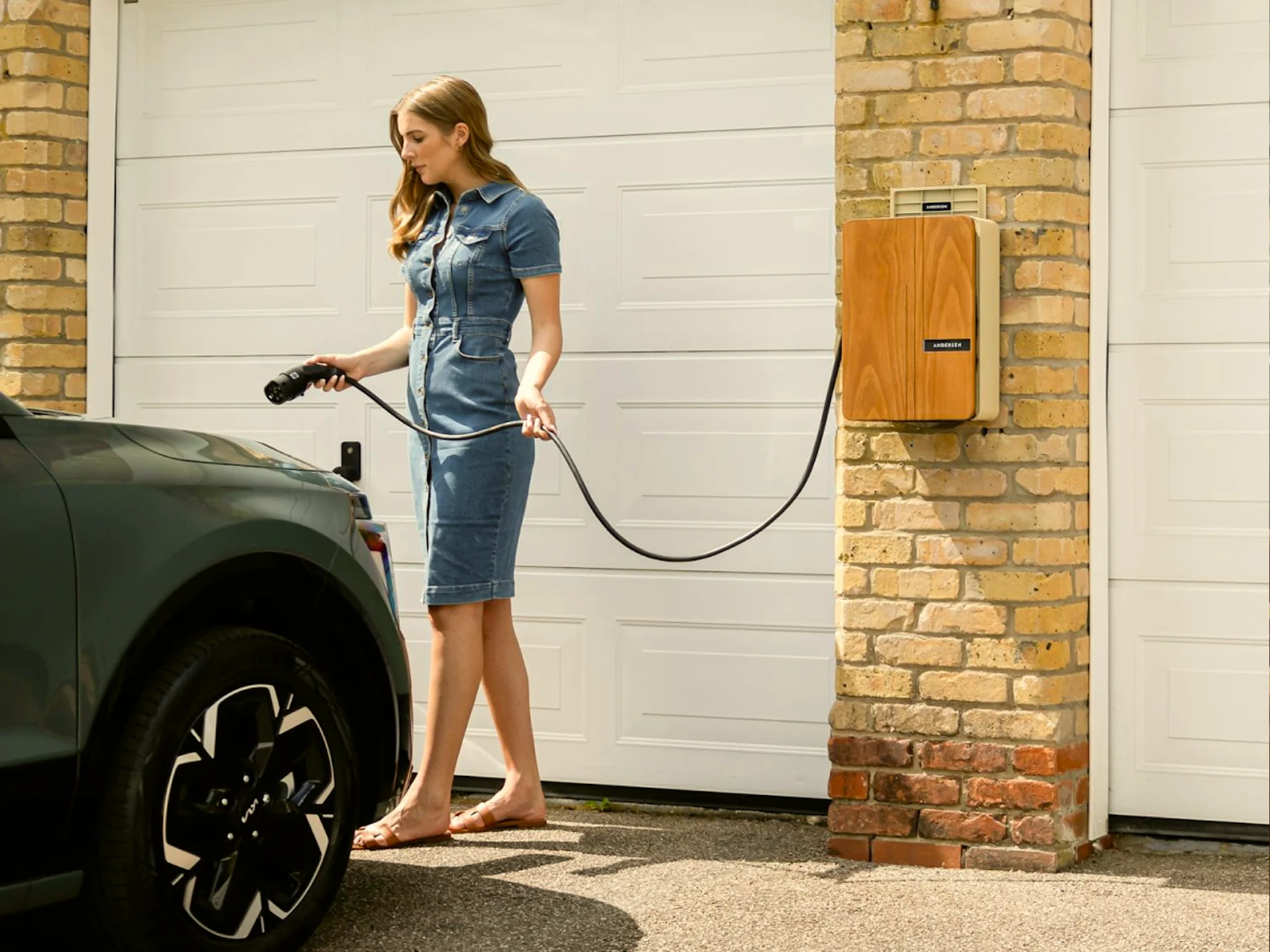
In fact, there are now an estimated 1.4 million fully electric cars on UK roads in 2025 (correct as of April 2025). With more models available and charging infrastructure growing rapidly, it’s no surprise that more drivers are making the switch.
But if you’re new to the electric scene, you might be wondering: how does electric car charging actually work? Let’s dive in.
What is EV charging?
Put simply, EV charging is the process of replenishing the battery in an electric vehicle using electricity from a power source. Instead of filling up with petrol or diesel, EVs are plugged into a charging point, which delivers electrical energy to the battery.
There are different types of EV charging, and the time it takes depends on the type of charger, your vehicle’s battery size, and how full it already is. Some chargers are perfect for topping up at home overnight, while others can charge your battery in under an hour, which is great for long journeys.
Take control of your energy costs
Lock in over £350 in savings vs January’s projected price cap and get the cheapest 12-month tariff on the market.
Plus, we’ll throw in up to £250 in Cashback Card credit and up to £400 in switching credit.

How to charge an electric car
Charging your electric car is straightforward. First, you’ll need to locate a compatible charging point – this could be a unit installed at home, a workplace charger, or one found at a public charging station. Once you’ve parked up, simply plug the connector into your vehicle's charging port (some vehicles may require you to unlock the port first).
Most modern EVs and chargers have a simple light system or dashboard alert that tells you when the charging has begun. When you’re done, you’ll need to tap a contactless card or app to end the session before disconnecting the cable.
Where to charge an electric vehicle
There are three main places you can charge your electric vehicle:
1. At home
Home charging is by far the most convenient way to charge your EV. You can plug it in overnight and wake up to a full battery each morning. Most home chargers are wall-mounted units installed on the driveway (connected to the house) or the garage wall, so it’s easy to plug in and go.
You might be wondering if charging overnight is cheaper, and in many cases, it is. Learn more about off-peak electricity times and how to make the most of them.
2. At your workplace
Many employers are now offering EV charge points in their staff car parks as part of greener travel initiatives – in fact, nearly half of UK employers have already installed charging stations at their workplaces.
Charging at work can be extremely handy if you have a long commute, or if your employer offers free or subsidised electricity.
3. At a charging station
There are currently over 46,107 charging locations with over 92,141 devices across the UK, but more are being added all the time as EVs become more popular. You can find these at all kinds of public places, from motorway service stations to supermarket car parks.
You’ll usually find a mix of chargers with different compatibilities and speeds at these locations, making them a great choice for topping up during your journey.
What type of chargepoints are there?
EV charging points come in a few different speeds, each suited for a different scenario.
Low/standard charging (up to 3kW)
These chargers are typically found in homes using a standard 3-pin plug. They’re the slowest type and can take up to 30 hours to fully charge some vehicles, which isn’t the best option if you’re going to be using it daily; however, they’re still a useful backup.
Fast charging (7–22kW)
Most home wallboxes and workplace chargers fall into this category. A 7kW charger can recharge a typical EV battery in 6–8 hours, perfect for overnight charging or while at work.
Rapid charging (43–350 kW)
Found at most public charging stations, rapid chargers are the quickest way to recharge your EV. They can provide an 80% charge in as few as 20–40 minutes, depending on your vehicle, making them a great option for topping up during long trips.
What do kW ratings mean when charging an EV?
The kW (kilowatt) rating on a chargepoint tells you how quickly it can deliver electricity to your vehicle. Essentially, a higher number means faster charging. For example:
A 3kW charger adds around 10 miles of range per hour charged.
A 7kW charger adds around 25–30 miles per hour of charge.
A 50kW charger adds around 150 miles in an hour, or about 80% charge in 20–40 minutes.
Where can I find EV chargepoints?
You can use EV charging apps and websites like Zapmap, PlugShare, or your car’s built-in sat nav to find live information on nearby public charge points.
These handy platforms can show information like charger availability, speed, connector type, and whether it’s free or paid.
What EV connectors are there?
Different EVs use different connector types, though most new vehicles support at least one of the most common:
Type 1 — Mainly found on older or US-imported cars.
Type 2 — The most common in Europe and the UK, used for homes and public charging ports.
CHAdeMO — A Japanese standard often found on Nissan EVs, used for DC rapid charging.
CCS (Combined Charging System) — A popular rapid charging connector compatible with most European EVs.
When you buy an EV, it usually comes with one or more connector cables, but it’s always worth checking which connector your car supports before heading to a public charger.
How much does it cost to charge an EV?
Charging costs will vary depending on where and when you charge. At home, you’ll pay the electricity tariff your address is currently on, and potentially less depending on what time you charge your car during the day.
Many electricity providers offer cheaper rates during the night or in the early morning, when overall demand for power is lower. Charging your car during these off-peak times can help you save money, as the electricity rate is typically reduced compared to daytime hours.
For example, if your home rate is 30p per kWh and your car has a 60 kWh battery, a full charge would cost around £18.
The formula to work this out is:
Battery capacity (kWh) × Electricity rate (per kWh) = Charging cost
60 kWh × £0.30 per kWh = £18.00 per charge.
Public charger prices can be a little more difficult to measure. Some supermarkets offer free charging, but rapid chargers at motorway services can cost 65–85p per kWh or more. Remember to always check the pricing before plugging in – you don’t want to get a nasty shock when it’s time to pay.
How do I pay for electric car charging?
There are a few different ways you can pay for charging:
Contactless card — Many public chargers now accept tap-and-go payment.
App-based payment — You’ll often need to download a network’s app, create an account and link your card. This can be a great option if you regularly charge your car in the same public place.
RFID cards — Some networks offer RFID (Radio-Frequency Identification) key fobs for regular users. Once tapped against the reader, these fobs transmit unique data to the charging station, identifying users and initiating the charging process.
Subscriptions — Certain networks, such as bp pulse, offer reduced rates for subscribers who pay a monthly fee.
What’s the best tariff for EV charging at home?
If you’re an electric vehicle owner, charging at home is usually the most convenient and cost-effective option.
With our new variable-rate electric vehicle tariff, you can enjoy five hours of cheap overnight charging for as little as 7p per kWh. This off-peak pricing is available between midnight and 5am, meaning you can charge your EV overnight at a significantly reduced rate. It’s a great option for drivers who prefer to charge their vehicles during this time, taking advantage of lower electricity costs.
Best practice tips for electric vehicle charging
Charging your electric vehicle is more than just plugging it in; it’s about doing so in a way that maximises efficiency, prolongs battery life and saves you money.
Here are some top tips to help you get the most out of your charge:
Charge overnight to take advantage of off-peak rates — Many EV drivers benefit from charging their vehicles overnight, especially if they’re on a tariff that offers lower rates during off-peak hours. Charging while electricity demand is low will help you save money, and you’ll wake up to a full battery.
Avoid 100% charges unless necessary — Charging your EV to 100% regularly may not be the best idea for battery longevity. Most EVs are happiest when charged to around 80%, as it helps to preserve its health over time and reduce wear and tear on the cells.
Plan long journeys with charging stops — Before heading off on a long trip, use charging apps to check for nearby charging stations along your route. This means you can plan your stops ahead of time, making the journey more efficient and stress-free.
Keep your cables tidy to avoid tripping or damage — Charging cables can become tangled or even damaged if they’re not properly stored. Take the time to neatly coil your cables when not in use, meaning they’re stored safely and aren’t a hazard in your garage or driveway.
Check your connectors regularly for wear and tear — Just like cables, connectors can become worn or damaged with regular use. Make sure to inspect the connectors for any signs of fraying or damage to ensure they’re safe and functioning properly.
Are there any grants available for EV charging?
Yes, if you’re thinking about getting an electric car but are looking for financial help, the UK Government offers two different grant schemes to support EV owners:
EV chargepoint grant for renters and flat owners — Up to £350 off the cost of installing a home charger, available to flat owners and renters. You must own an eligible vehicle, and your home must have its own private off-street parking space.
The Workplace Charging Scheme — This scheme provides support for organisations towards the cost of installing up to 40 electric vehicle chargepoint sockets across all sites. The scheme is capped at £350 per socket and is open to eligible businesses, charities, public sector organisations, and small accommodation businesses.
Both schemes close for new applicants at midnight on 31 March 2026.
Power up your savings with UW
Switch to UW and enjoy energy rates tailored for EV drivers. Bundle your energy with our great value broadband, mobile, and insurance deals.
Explore our EV tariffs, or discover more with our energy guides for the latest guidance and tips.
The last switch you’ll ever make
Get up to £250 Cashback Card credit and £400 to help you switch. We promise you'll save money, or we'll pay you double the difference.
Find a Utility Warehouse Partner to help you get your energy, broadband, mobile and insurance sorted. We're here to make your life easier by getting your home services in one place.

“Whether you’re looking for a variable tariff or prefer a fixed tariff for total peace of mind, we offer energy prices consistently below the price cap when you bundle with our other award-winning services. We can get you switched over in as little as two days with no disruption to your supply. We offer even greater savings when you upgrade to a free smart meter so you never have to worry about giving a meter reading again.”
David Walter - Chief Commercial Officer

FAQs
Yes, provided you have off-street parking. You’ll need a qualified installer to fit the chargepoint for you.
Typically, you’ll expect to pay between £800 and £1,500, depending on the charger and installation complexity.
This can be a tricky one, as local councils usually don’t allow cables to cross pavements. This means you can’t install an EV charger on the side of your house and drag it along a public footpath to reach your car parked on the road.
Some councils are trialling on-street solutions, so it’s best to check with them to see if any plans are being made near your home.
Not yet. Some EVs, usually hybrid models, use regenerative braking to recover small amounts of energy, but they still need external charging.
Absolutely! EVs and chargers are designed to be safe to use in all weather, including wet conditions.

Added a mobile SIM card
I spoke to Chloe and she was very…
Very pleasant and helpful young…
Related energy guides

How the Iran conflict could affect UK energy bills in 2026
30th Mar 2026:
From April 2026, energy bills will go down due to policy changes. At the same time, UK gas prices have more than doubled since late February. What does this mean for you?

Which Household Appliances Use The Most Electricity?
18 Sep 2026 - Energy bills can creep up on us, especially when we don't realise which household gadgets and appliances are silently guzzling electricity in the background

What is a kWh and how much is it?
Understanding gas and electricity costs:
Ever looked at your energy bill and wondered, 'What is a kWh?'. Don't worry, you're not alone.

What is an Economy 7 Meter and Tariff?
10 Sep 2026 - Navigating the complex world of energy tariffs can feel like a daunting task, but understanding your options is crucial for keeping your household bills under control.