Home > Energy > Energy Guides > EV Home Charger Installation
EV Home Charger Installation Costs for 2026
Everything You Need to Know
Written by David Walter, Chief Commercial Officer
29 Nov 2025 :If you've made the switch to an electric car, or you're planning to soon, the next question is usually: how do I charge it easily and affordably?
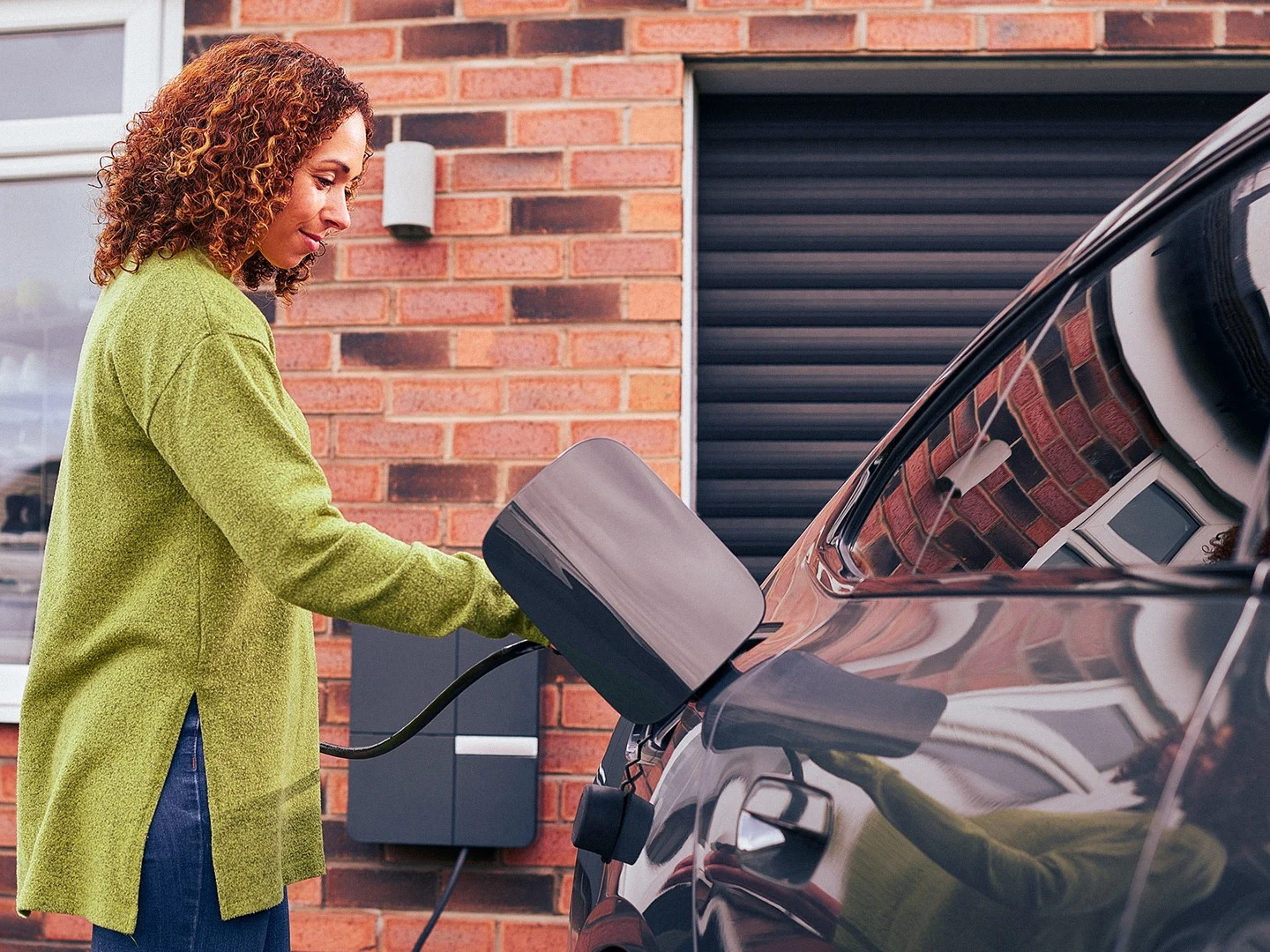
For most drivers, the answer is simple: install a home charger. Having your own charge point means you can plug in overnight and wake up to a full battery every morning. Plus, you'll often save money compared with public charging.
But before you can enjoy that convenience, there's the practical side to think about. Things like, how much does it cost to install an EV charger at home in the UK, what does the process involve, and are there any grants or requirements to be aware of?
This guide covers all of that: the EV charger installation cost, the steps involved, and what to know before you get started. We'll also explain how to tell if you’re eligible for a home electric car charger grant, what affects the total cost, and what makes a good installation setup.
Can I get an EV charger installed at home?
In most cases, yes. Whether you live in a house or a flat, installing a car charger at home is possible for most drivers; you just need the right setup.
To qualify for home EV charger installation, you usually need:
A dedicated parking space, ideally off-street (like a driveway or garage).
A safe electrical connection point at your home.
Permission to make modifications (if you rent or live in a flat).
A qualified electrician to carry out the work.
If you own your home, the process is fairly straightforward. For renters or flat owners, it can still be done, but you may just need written consent from your landlord or management company, especially if cabling needs to pass through shared spaces. And if you tick the right boxes, you could qualify for a government grant to help cover the cost of installing an electric car charger. More on that below.
Take control of your energy costs
Lock in over £350 in savings vs January’s projected price cap and get the cheapest 12-month tariff on the market.
Plus, we’ll throw in up to £250 in Cashback Card credit and up to £400 in switching credit.

How much does it cost to install an EV charger at home in the UK?
The big question: what’s the typical electric car charger installation cost?
The average cost of a standard 7kW EV charger is between £800-1,200. But you can reduce it to about £450-850 with some government grants.
That price usually includes both the charger unit itself (the bit mounted on your wall) and the labour to fit it.
Charger Type | Equipment Cost (Supply Only) | Full Installation Package | With Grant (if eligible) |
|---|---|---|---|
3kW Chargers | £250-£500 (avg. £375) | £700-£900 | £350-£550 |
7kW Chargers | £450-£800 (avg. £625) | £800-£1,200 | £450-£850 |
22kW Chargers* | £700-£1,200 | £1,200-£2,200 | £850-£1,850 |
(Data sourced from The Electric Car Scheme)
In most cases, the EV charger installation cost covers:
The supply and fitting of the charger.
Running the cable between your fuse box and the charger location.
Mounting the unit securely on your wall.
Testing and certification by a qualified electrician.
If your setup is simple, say, a driveway right next to your garage or meter box, the lower end of that range is realistic.
But if your installation involves long cable runs, drilling through thick walls, or electrical upgrades, you could be looking at closer to £2,000 or more.
Are there any home electric car charger grants available?
The government's Electric Vehicle Chargepoint Grant can cover up to 75% of the installation cost, capped at £350.
It's available to people who own and live in flats, or those renting a home with dedicated off-street parking. That means if your total EV charger installation cost is £1,000, a successful grant application could bring the expense down to £650.
Even if you're not eligible, it's worth checking whether your employer, local council, or energy provider offers any rebates or incentives for installing an electric car charger at home; they occasionally do.
What affects the cost of installing an electric car charger?
The cost of installing an electric car charger isn't one-size-fits-all. Here are the main factors that can influence what you'll end up paying:
1. Distance from fuse box to charger
If your parking space is close to your fuse box, installation is simpler and cheaper. But if your charger needs to be fitted at the far end of the driveway, your installer will have to run longer cables, and that extra work adds up.
2. Wall type and cable routing
Running cables through solid brick or concrete walls is trickier than through plasterboard or timber, and can increase labour time. Similarly, if cables need to be buried underground or hidden neatly along exterior walls, that can also nudge up your EV charger installation cost.
3. Electrical upgrades
Older homes sometimes need a consumer unit (fuse box) upgrade or new wiring before a charger can be installed safely. Your installer might also need to coordinate with your local distribution network operator if your current supply can't handle the extra demand.
4. Groundworks and driveway layout
If the cable has to cross your driveway or go under paving, trenching or reinstating surfaces will add to the total. The simpler the route from your consumer unit to the parking spot, the cheaper it’ll be.
5. Charger brand and smart features
Not all chargers are built the same. A basic untethered model (where you plug in your own cable) will usually cost less than a smart charger that connects to Wi-Fi, syncs with your phone, and automatically charges when electricity is cheapest. If you’re curious about how smart charging can help you save, take a look at our EV Tariffs.
6. Extra safety equipment
Many modern installations include an isolator switch and surge protection as standard. If your home doesn't already have these, your installer will include them for safety, and that can slightly increase the cost.
What are the requirements for a home EV charger installation?
Before you can book an installation, your property needs to meet some key requirements:
A qualified electrician
EV charger installations must be carried out by a certified professional. This isn't a DIY job; the work has to comply with UK wiring regulations and be signed off properly for safety and insurance purposes.
Suitable electrical capacity
Your property's power supply must be able to handle the additional load of a charger (usually 7 kW). Most modern homes can manage this, but if your system is older or running near capacity, an upgrade may be needed. This ties back to your home's electricity setup and available amps, something your installer will assess during a pre-installation survey.
Off-street parking
You’ll need a secure, private space to park and charge your car. That’s because running cables over pavements or shared access areas isn't permitted for safety reasons.
If you don't have a driveway, check with your local council. Some now offer on-street charging solutions or community charging options.
Reliable Wi-Fi connection
Most modern EV chargers are smart, meaning they connect to your Wi-Fi to track usage or schedule charging during off-peak hours. So it’s worth making sure your Wi-Fi signal reaches your driveway or garage. If not, a range extender (or a wired connection) can help ensure your charger stays connected.
What’s the process of installing a car charger at home?
Here’s what to expect from start to finish when installing a car charger at home:
Choose an installer — Look for an accredited installer with experience fitting EV chargers; they’ll know the latest standards and grant eligibility rules.
Pre-installation survey — The installer will either visit your home or conduct a virtual survey to assess where to mount the charger, check your consumer unit, and plan cable routes.
Receive your quote — You’ll get a breakdown of costs, including the charger, parts, and labour. If any upgrades or trenching are needed, they’ll be listed separately.
Installation day — The electrician mounts the charger, runs the cable, connects it to your fuse box, and installs any safety equipment like isolators or surge protectors.
Testing and setup — The installer tests the system, shows you how to use the app (if applicable), and registers your warranty.
Charging time! — Once installed, you can plug in and charge your vehicle whenever it suits you, ideally overnight to make the most of cheaper off-peak electricity.
The whole process usually takes around half a day for a standard installation.
Do I need permission to install an EV charger?
It depends on your living situation.
Homeowners
If you own your home, you generally don’t need planning permission to install a wall-mounted charger as long as it’s under a certain size and not facing a public highway.
However, if your property is listed or in a conservation area, it’s best to check with your local council first.
Renters
If you rent, you’ll need permission from your landlord before any installation work can be done.
Flat or apartment residents
You can still have a charger fitted if you live in a flat, but you’ll need to work with your building’s freeholder or management company to get approval.
It’s also important to check how your electricity supply is metered; you may need a dedicated circuit run from your individual supply.
Is it worth installing an electric car charger at home?
In almost every case, yes. Having a home charger makes EV ownership far more convenient and often cheaper in the long run. Here’s why:
Lower charging costs — Home electricity is generally much cheaper than public charging. And if you’re on a smart EV tariff, you can charge overnight when rates are lowest.
Convenience — No queues, no searching for chargers, just plug in at home and wake up fully charged.
Energy efficiency — Smart chargers can automatically use greener electricity or shift charging to off-peak hours, helping the UK move closer to Net Zero.
Added property value — More buyers are looking for homes that are EV-ready. Installing a charger now could make your property more appealing in the future.
Future-proofing — With petrol and diesel cars being phased out, home charging is quickly becoming a standard part of modern living.
Of course, if you only drive occasionally or don't have off-street parking, it might make more sense to rely on public chargers or workplace charging.
But for regular drivers, installing an EV charger at home is a smart investment for your wallet and for the planet, and it will pay for itself in the long run.
You can learn more about electric car charging here.
Installing a home EV charger might sound like a hassle, but in practice, it’s usually a relatively straightforward job that pays off in terms of convenience and savings.
Once fitted, your charger will give you complete control over when and how you charge, especially when combined with the right Energy or EV Tariff.
A little planning now means smoother, cheaper, and greener driving for years to come.
The last switch you’ll ever make
Get up to £250 Cashback Card credit and £400 to help you switch. We promise you'll save money, or we'll pay you double the difference.
Find a Utility Warehouse Partner to help you get your energy, broadband, mobile and insurance sorted. We're here to make your life easier by getting your home services in one place.

“Whether you’re looking for a variable tariff or prefer a fixed tariff for total peace of mind, we offer energy prices consistently below the price cap when you bundle with our other award-winning services. We can get you switched over in as little as two days with no disruption to your supply. We offer even greater savings when you upgrade to a free smart meter so you never have to worry about giving a meter reading again.”
David Walter - Chief Commercial Officer


My problem was sorted quickly and…
Helpfull staff well spoken
Answered all my questions and ...
Related Guides

What is Net Zero?
You may have heard the phrase ‘net zero’ being brought up in the news often, recently. But what exactly does it mean, and why are we talking about it more and more?
A Guide to electric car charging Everything you need to know about EVs
Electric vehicles (EVs) are no longer a niche trend – they’re firmly part of the UK’s driving landscape.