Home > Energy > Energy Guides > Can I switch energy suppliers if I owe money
Can I switch energy suppliers if I owe money?
A complete guide
Written by David Walter, Chief Commercial Officer
4 Nov 2025 : With energy costs being one of the biggest regular household expenses, falling into debt with your supplier can feel very stressful.

When you’re in this situation, you might want to compare energy rates and see if other suppliers offer cheaper deals. But can you switch your energy supplier if you owe money?
The short answer is: yes, in certain circumstances.
It all depends on how you pay for your energy and how much you owe your current supplier. And the rules are different for customers with prepayment meters and those who pay by monthly or quarterly bill (with a ‘credit meter’).
This guide will walk you through everything you need to know about switching suppliers when you’re in debt. It’ll explain your rights, the exact rules for switching, what to do if you’re struggling to pay, and how to take back control of your energy bills.
Take control of your energy costs
Lock in over £350 in savings vs January’s projected price cap and get the cheapest 12-month tariff on the market.
Plus, we’ll throw in up to £250 in Cashback Card credit and up to £400 in switching credit.
Can I switch energy supplier if I’m in debt with a prepayment meter?
Prepayment meters work by topping up a key or card, or adding credit through an app. If you have this kind of meter (also known as a pay-as-you-go meter), you can switch energy suppliers as long as your debt is £500 or less, which can be transferred.
This is thanks to the Debt Assignment Protocol (DAP). The DAP is a special agreement that all licensed UK energy suppliers must follow..
How does the Debt Assignment Protocol work?
The DAP is a formal process that lets your energy debt be transferred from your old supplier to your new one if you have a prepayment meter.
This system is designed to make sure that customers on prepayment meters aren’t trapped with an uncompetitive supplier just because they owe a small sum of money. It gives you the chance to switch to a cheaper tariff, which can then make it easier to pay off your debt and manage your future bills.
Here’s how to kick the process off and what happens during it:
You find a new deal — You compare tariffs and choose a new supplier you want to switch to.
You start the switch — You follow that new provider’s usual process for switching.
The suppliers talk — During the switchover, your old supplier will tell your new one that you have an outstanding debt.
Your debt is transferred — As long as the amount of debt is £500 or less per fuel (i.e. £500 for gas and £500 for electricity), your new supplier will take on the debt.
You pay your new supplier — The debt isn’t wiped out – you’ll repay it to your new supplier instead of your old one. They’ll usually set this up to be collected automatically through your prepayment meter in instalments. For example, they might arrange to have £2 go towards paying off your debt every time you top up £10. This would mean the remaining £8 would go towards your current energy use.
What happens if I owe more than £500?
If your debt is over the £500 limit, you’ll be blocked from switching. In this situation, you need to contact your current supplier and arrange a payment plan to get the amount below £500.
Once you’ve paid it down below this threshold, you’ll be free to switch, and the remaining debt will be transferred under the DAP.
Can I switch energy supplier if I’m in debt with a credit meter?
You can usually switch with debt, as long as you’ve only been in debt for a few days. Like with prepayment meters, your new supplier will take on your debt, and you’ll be paying them back instead.
But if you owe money for 28 days or more, you won’t be able to switch.
What to do if you’re in energy debt
Finding out you’re in debt can be scary, but the worst thing you can do is ignore the problem. The most important thing to know is that there’s lots of help available.
1. Understand what counts as an energy debt
For credit meters (paying by bill) - You’re not officially considered ‘in debt’ just because you’ve received a bill. A supplier can only block you from switching if you’ve owed them money for 28 days or more from when they sent a bill. If your debt is newer than that, you can still switch, and the amount you owe will just be added to your final bill from your old supplier.
For prepayment meters - Debt usually builds up when you use your Emergency Credit or Friendly Credit and don’t top up enough to pay it back. It can also include outstanding payments on a prepayment plan you already had set up.
2. Find out your rights when you owe money to an energy supplier
Once you tell your supplier you’re struggling to pay, they have the following official obligations as set by the UK’s energy regulator, Ofgem:
They must help you - Their first priority must be working with you to find a solution.
They must offer you a payment plan - You have the right to a payment plan that’s affordable for you. Your supplier must take your financial situation and ability to pay into account when drawing up your payment plant with you. That means looking at your income, outgoings, and other debts.
They must give you enough information - They should provide advice on how to reduce your energy usage, and any grants or support schemes you might be eligible for.
3. Know what legal protections are available for energy customers
Ofgem has rules to protect all customers, especially those in vulnerable situations:
The Priority Services Register (PSR) - If you’re of state pension age, have a long-term illness or disability, or have young children, you can sign up to your supplier’s Priority Services Register. This service is free and gives you extra protections like advance notice of power cuts where possible, and priority support in emergencies.
Breathing Space - If you live in England or Wales and you’re receiving formal debt advice, you might be able to get 60 days of Breathing Space. During this time, your energy supplier can’t contact you about the debt, add interest or charges, or take any enforcement action. This is also sometimes called the Debt Respite Scheme.
4. Speak to your supplier
It’s never a call anyone wants to make – it can feel embarrassing or scary. But suppliers have dedicated teams trained to handle these calls sympathetically, and they’d much rather hear from you and help you than chase you for the money.
When you call them, get ready to have a chat about:
How much you owe
Why you’re struggling to pay
What you can realistically afford to pay each week or month
Not sure who your supplier is, because you’ve just moved or haven’t switched in a long time? Use our handy Who is my gas or electricity supplier? guide to find out.
How to switch energy supplier when you have debt
Ready to make the move? Here’s a step-by-step guide based on your meter type.
Check your meter type and debt amount
First, confirm how you pay (paying as you go with a prepayment meter, or through regular bills with a credit meter), and get an exact figure for what you owe. You can usually check your latest bill via your online account or app.If you have a credit meter:
Is your debt under 28 days old?Yes — You’re free to switch, and you can start an application with your chosen supplier.
No — If you’ve been in debt for 28 days or more, you must pay this debt in full before you can leave your current supplier. If you start an application before doing this, the new supplier will block your switch.
If you have a prepayment meter:
Is your debt £500 or less?Yes — You’re free to switch under the DAP.
No — You must get your debt down to £500 or less with your current supplier before you can switch.
Start paying your new energy provider
Once you’re able to switch, the switch should be completed in as few as five days thanks to Ofgem’s rules. Your new supplier will confirm the switch date and ask for an opening meter reading.
If you have any outstanding debt transferred over from your old provider, you’ll also need to pay your new supplier for this.
Can current energy suppliers refuse a switch?
Apart from the debt thresholds explained above, there are a couple more reasons why an energy supplier might prevent you from leaving – but they can’t do so simply because they don’t want to lose you as a customer.
They could block your switch if:
You’re on a ‘deemed’ contract with your current supplier (e.g. you’ve just moved into a new home and haven’t formally agreed to a tariff yet) and you owe them money.
A technical mistake happened with your application, e.g. you accidentally entered the wrong meter number or address.
What to do if your switch is blocked
If your switch is refused, your new supplier will let you know, and also tell you why it was blocked.
If the reason is ‘debt on account’, you must:
Contact your old (current) supplier and ask for the exact outstanding balance.
Clear the required amount of debt to switch, depending on if you’re a credit or prepayment meter.
Ask for the block to be removed. Once the payment has cleared, you can ask your current supplier to confirm they’ve lifted the objection to you switching.
Re-start the switch by contacting the new supplier again to get the switching process going.
If you don’t agree with the debt or believe the bill is wrong, you must raise a formal complaint with your current supplier.
Give them any evidence you have, like old meter readings or bank statements. If they don’t resolve your complaint within eight weeks, or they send you a ‘deadlock letter’ (a final letter confirming that they can’t resolve your complaint), you can take your case to the Energy Ombudsman for free. They’re an independent body that will make a final, binding decision.
Can an energy supplier cut you off if you’re in debt?
Yes, an energy supplier can cut you off, but only as an absolute last resort after all other steps have been taken.
Before they can consider disconnection, they must have:
Contacted you multiple times about the debt
Offered you a range of affordable payment plans
Offered to install a prepayment meter to help you manage your spending and repay the debt
Given you clear notice and time to act
If all of these steps have been taken and haven’t worked, the supplier can then apply to a court for a warrant to enter your home and disconnect your energy supply. They can’t legally enter without this warrant.
There are also extra protections for vulnerable people; a supplier isn’t allowed to disconnect a domestic customer during winter (1 October – 31 March) if they’re on the PSR and are:
Of state pension age
Disabled
Have a long-term chronic illness
This protection also applies if you live with anyone who fits these criteria.
How to avoid being cut off
As soon as you know you’re struggling, take action:
Payment plans and arrangements
Contact your supplier and ask for a payment plan. They must agree to a plan you can afford. This could be:
A repayment plan to pay off your debt in manageable instalments.
Fuel Direct (also called ‘Third Party Deductions’), where a fixed amount is taken directly from your benefits (like Universal Credit or Pension Credit) to pay your bill and debt.
Emergency Credit and top-up options
If you’re on a prepayment meter, make sure you know how your Emergency and Friendly Credit work. In both cases, if you use them, you need to pay them back afterwards.
Emergency Credit - This is a small buffer (usually around £10) you can activate if you run out of credit.
Friendly Credit - This is a period of time (e.g. evenings or weekends when it might not be possible to top up) when you won’t get cut off even if you run out of credit.
Additional support credit - If you’re vulnerable and can’t top up, reach out to your supplier, who might be able to offer you an extra loan of credit to keep your supply on.
Getting help with energy bills
Supplier grants and trusts - Many larger suppliers have charitable trusts. These can provide grants to help clear your energy debt, and are open to everyone – not just their own customers.
Government support - Make sure you’re receiving all the help you’re entitled to. Some ideas to save money on your bill include checking if you’re eligible for the Warm Home Discount Scheme (a £150 discount on energy bills for those on low incomes) or Cold Weather Payments (paid during periods of very cold weather).
Free debt advice - You can also contact charities for free, impartial advice. They’re experts, and in some cases can also speak to your supplier on your behalf:
What to do before switching if you’re struggling with bills
Even if you’re not in debt, but just finding bills a struggle, there are smart steps to take before you compare deals.
Check you’re on the right tariff - Are you on your supplier’s Standard Variable Tariff (SVT)? This is often the most expensive tariff they have; call them up and ask if you can be moved to a cheaper tariff, for example, a fixed-rate deal.
Understand your usage and costs - It’s hard to save money if you don’t know how much is going out. The best way to track this is with a smart meter. They come with an in-home display that shows you how much energy you’re using in pounds and pence, and in real time. You can learn more about how smart meters work here.
It’s also important to understand your bill. For example, do you know about standing charges? Check out our What are energy standing charges? article to find out more about costs that aren’t affected by your energy usage.Explore money-saving options - Looking at simple, no-cost and low-cost ways to reduce your usage can go a long way in reducing your energy bills. Our energy saving tips guide is packed with ideas, from turning your thermostat down by one degree to draught-proofing your windows and doors.
The last switch you’ll ever make
Get up to £250 Cashback Card credit and £400 to help you switch. We promise you'll save money, or we'll pay you double the difference.
Find a Utility Warehouse Partner to help you get your energy, broadband, mobile and insurance sorted. We're here to make your life easier by getting your home services in one place.
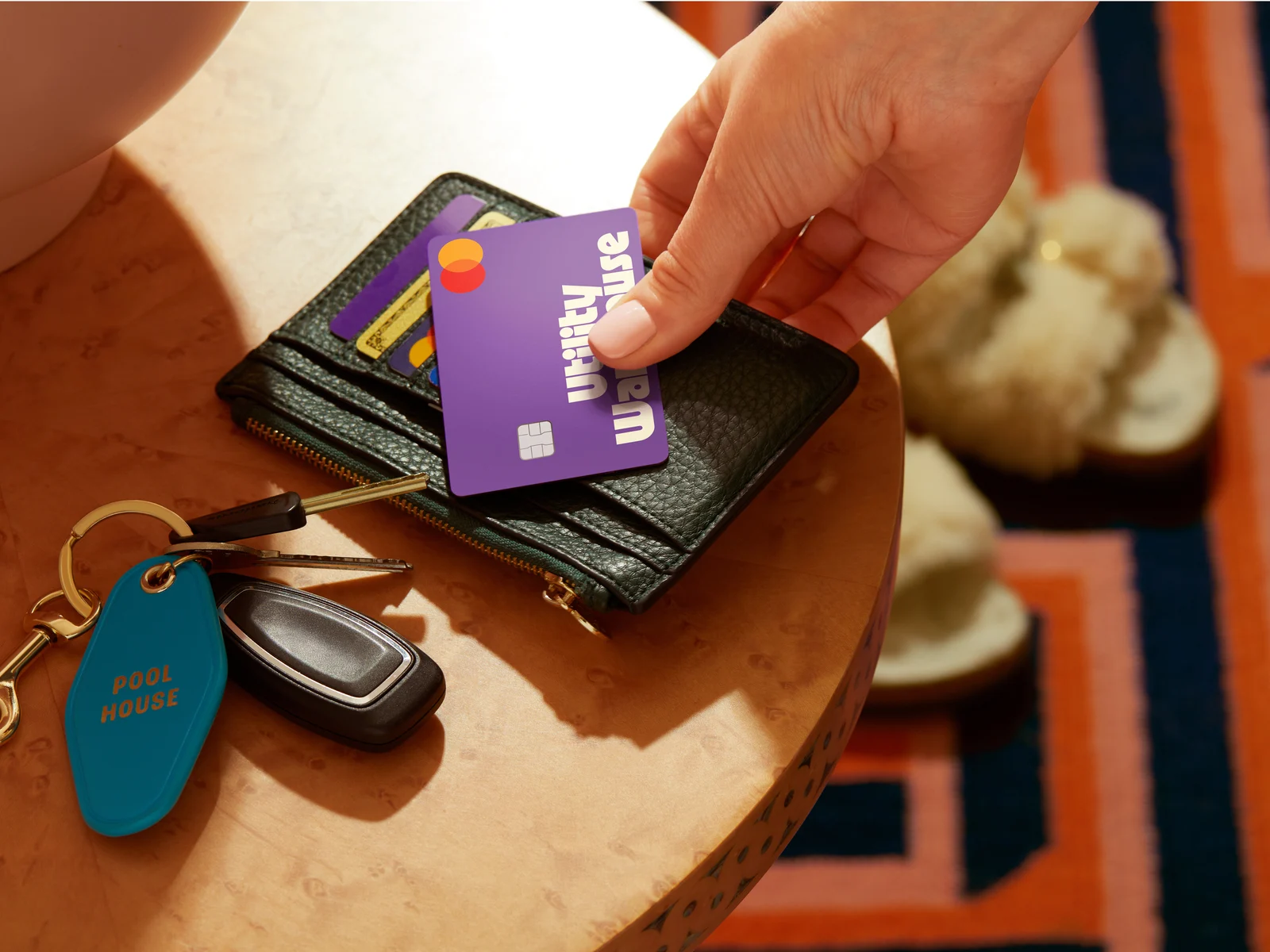
“Whether you’re looking for a variable tariff or prefer a fixed tariff for total peace of mind, we offer energy prices consistently below the price cap when you bundle with our other award-winning services. We can get you switched over in as little as two days with no disruption to your supply. We offer even greater savings when you upgrade to a free smart meter so you never have to worry about giving a meter reading again.”
David Walter - Chief Commercial Officer

FAQs
The DAP runs in parallel with the switch itself. The switch itself should be completed within five working days. The process of moving the debt from one supplier’s system to another’s happens behind the scenes and shouldn’t delay your switch.
Your energy supply itself is safe: Ofgem has a Supplier of Last Resort (SoLR) process, where you’ll be automatically moved to a new supplier.
Your credit balance is protected and will be transferred to your new supplier, along with any debt you have. You’ll still owe the money, but will have to pay your new supplier. In some cases, you’ll have to pay the administrator of your old supplier instead.
You usually can’t negotiate the total amount as you’ve already used the energy, but you can negotiate the repayment terms. This is what setting up an affordable payment plan is all about – your supplier must listen to your financial situation, and agree to a repayment rate you can manage.
This depends on your situation.
Applying to a new supplier may involve a credit check, particularly if you’re using a credit meter. This may affect your score, but if it does, it’s usually minor and temporary.
Being in debt with your old supplier and failing to pay it back will significantly harm your credit score.
On the other hand, successfully switching and paying your new bills on time is good for your credit history in the long run.

Added a mobile SIM card
I spoke to Chloe and she was very…
Very pleasant and helpful young…
Take control of your energy
Being in debt to your energy supplier can feel like a heavy burden, but you don’t have to carry it alone.
By understanding your rights and the help available, you can take the first step towards getting on top of your bills and finding a better deal.
Ready to see what your options are? Take a look at our energy page to find out more about our tariffs and switching support.
Related Guides

What Are Standing Charges for Gas and Electricity?
Have you ever looked at your energy bill and wondered what all of your fees actually mean?
Cold Weather Payments
What They Are and How to Apply for Them : 5 Feb 2025: Worrying about your energy bills can leave you feeling left out in the cold – in more ways than one?