Home > Energy > Energy Guides > How to Use Central Heating Economically
How to Use Central Heating Economically and Save on Your Energy Bill
Written by David Walter, Chief Commercial Officer
The last switch you’ll ever make
Get up to £250 Cashback Card credit and £400 to help you switch. We promise you'll save money, or we'll pay you double the difference.
Find a Utility Warehouse Partner to help you get your energy, broadband, mobile and insurance sorted. We're here to make your life easier by getting your home services in one place.

25 mar 2025 - Since home heating and hot water contribute to an estimated 50% of energy bills, we’re sharing practical tips on how to use your central heating system more economically.
We'll cover everything from the best thermostat settings to the optimal times to crank up the temperature, ensuring your home stays warm without the high costs.
How does central heating work?
Central heating is crucial to keeping your home cosy and comfortable, especially during chilly UK winters. But how does it actually work?
At its core, central heating systems generate heat from a single source, like a boiler, and distribute it throughout the home via water that’s heated in pipes or by blowing hot air through ducts. This system ensures that heat is delivered evenly and efficiently to every room.
Some common central heating systems in the UK include:
Boilers – These use natural gas to heat water before pumping it to radiators or underfloor heating systems.
Heat pumps – These systems extract heat from the air, ground, or water outside your home and increase it to a more suitable temperature for indoor heating. Heat pumps are also used in household appliances like fridges and freezers, but the technology cools the air instead of heating it.
Radiators and underfloor heating – While radiators are a familiar sight in most homes, underfloor heating is becoming a popular modern alternative because it doesn’t take up extra space and distributes warmth more evenly.
Economical ways to use central heating
Keeping your home warm doesn't have to come with a hefty price tag. By trying out some smarter habits and making a few strategic upgrades, you can heat your home economically while reducing your environmental impact.
Here are some ways you can be more efficient with your central heating:
Use a programmable thermostat
A programmable thermostat lets you set your heating and hot water to turn on only when you need it. By scheduling your heating to switch off when you're not home, asleep, or during the warmer parts of the day, you can significantly reduce unnecessary energy use.
To enjoy the benefits of a cosy home without the heating being on all hours of the day, it’s generally recommended to schedule your central heating to turn on half an hour before you wake up and turn off half an hour before you go to sleep.
Upgrade to a smart meter
Investing in smart meters and thermostat controls can make a big difference in managing your home’s heating.
These devices provide real-time feedback on your energy usage, letting you monitor and adjust temperatures remotely, such as via your smartphone or a remote display. This helps you use your central heating only when it’s absolutely necessary and spot opportunities to reduce wasted energy.
You can learn more about how smart meters work or find out how to upgrade to one here.
Keep your boiler in good condition
Regular servicing ensures your boiler operates efficiently and safely, reducing the risk of breakdowns and extending its lifespan. An annual service should catch any issues before they escalate into more costly problems, which can help you avoid repair costs and expensive monthly bills.
With UW Boiler & Home Cover, you’ll get an annual boiler service as well as unlimited boiler callouts included in your premium. Find out more about our Boiler & Home Cover here.
Insulation and draught-proofing
Keeping your boiler in working condition will help to warm your home, but proper insulation is the key to retaining it and reducing the demand on your heating system.
Insulating your loft, walls, and floors can prevent heat loss, leading to potential energy savings. Plus, draught-proofing gaps around doors, windows, and floors also prevent cold air from entering and warm air from escaping.
If you’re interested in improving or adding insulation to your home, there are government grants available to help UK households cover part of the cost. Learn more about the Great British Insulation Scheme here.
Use a thermostatic radiator valve
A thermostatic radiator valve (TRV) lets you control the temperature of individual radiators, so you’re not wasting energy heating rooms you don’t use often. It’s a simple but effective tool for making your central heating system more efficient.
Unlike a standard radiator valve, which only controls the flow of water through a radiator, a TRV can set different temperatures for various rooms in your home.
TRVs are fitted onto radiators and contain a sensor that detects the room’s air temperature. When the room reaches the set temperature, the valve automatically reduces the flow of hot water, preventing overheating. If the temperature drops, the valve opens again to allow more hot water through, keeping the room at a steady warmth.
For example, you can keep bedrooms at a cooler 16-18°C and the living room at a more comfortable 19-21°C. This way, you’re only using energy where you need it instead of heating the whole house to one blanket temperature.
Close doors to retain heat
It may sound obvious, but sometimes the most simple changes can have a big effect on your heating bill. In this case, keeping doors closed between rooms can help trap heat where it’s needed most.
When doors are left open, heat escapes into hallways or cooler areas, forcing your heating system to work harder to maintain the right temperature. Closing doors keeps warm air inside, making each room easier and cheaper to heat.
Upgrade your boiler
If your boiler is over 15 years old, it may be time to consider an upgrade.
Modern condensing boilers are designed to be more energy-efficient, converting a higher percentage of fuel into heat. They might seem like a costly initial investment, but the long-term savings on energy bills and the reduction in carbon emissions make them worth considering.
Energy-efficient boilers, also known as A-rated boilers, can have an efficiency rating of up to 94%. This means they only lose 6% of the energy needed to run when heating a home. To put that into perspective, older boilers could have efficiency levels as low as 60-70%.
Find out how we can help you upgrade your boiler.
What’s the recommended thermostat setting in the UK?
According to Public Health England, it’s typically recommended to set your central heating thermostat to around 18–21°C. Evidence suggests that heating a home to 18°C poses minimal risk to healthy adults, but up to 21°C is recommended for the homes of vulnerable and older people.
In the UK, where temperatures can fluctuate a lot between the warmer and cooler months, you’ll probably want to adjust your thermostat temperature too. For example, lowering it to 18-19°C in the spring and aiming for 20-21°C in the winter.
Finding that sweet spot between comfort and cost-efficiency can make all the difference — both to your wallet and your well-being.
Lowering your thermostat by even one degree could have an impact on your heating bill over the year, according to WWF. It’s a small adjustment that has the potential for big rewards — all without leaving you shivering on the sofa.
If you’re looking for more practical ways to save energy at home, check out our energy-saving tips guide.
What temperature should my boiler be set at for central heating?
While your thermostat controls the temperature in your home, your boiler’s settings play a huge role in how efficiently your heating system runs. Setting your boiler to the right temperature can help you save money, reduce energy waste, and keep your home feeling comfortable.
If you have a heating system or conventional boiler with a hot water cylinder, the boiler flow temperature should typically be set at a minimum of 65°C for both heating and hot water. This helps ensure your water is hot enough to prevent legionella bacteria, which can lead to Legionnaires' disease, from developing inside the hot water cylinder while still being energy efficient.
For most combi boilers, the recommended temperature for central heating is between 60°C and 70°C. Research from Nesta has even found that turning your flow temperature down to 60°C can improve your boiler’s efficiency by almost 4%.
In spring and autumn, you may even find that lowering the flow temperature to 50-55°C could be enough to keep your home at a comfortable temperature without running up your energy costs.
We recommend getting in touch with a registered engineer to help change the temperature of your boiler to make sure it’s done correctly.
When is the cheapest time to put the heating on?
Timing is everything, especially when it comes to saving money on heating bills. While the cost of heating your home largely depends on your energy tariff, there are ways to time your heating to make it more economical.
The cheapest time to put your heating on often depends on the type of tariff you’re on:
Standard or fixed tariffs | Economy 7 tariffs |
|---|---|
If you’re on a standard variable tariff (SVT) tariff, or a fixed tariff, you’ll be charged the same rate for energy, no matter when or how much you use. In this case, using a programmer or smart thermostat could help you to save money, as there’s no ‘cheaper’ time of day. Learn more about fixed vs variable energy tariffs here. | If you’re on an Economy 7 tariff, you’ll benefit from cheaper electricity during specific off-peak hours, usually overnight or early morning. This is great for electric heating systems, like storage heaters, as you can charge them up during these low-cost periods and release the heat throughout the day. |
Frequently asked questions
No, it’s a common myth that leaving the heating on all day at a low temperature is more cost-effective. Heating your home and maintaining that warmth will use a steady stream of energy, which can run up your bill.
It’s better to use a programmable thermostat or timer to heat your home at set times so you only use your central heating when you need it.
Your radiators influence how effectively your central heating system warms your home, so if they’re not working efficiently, your boiler has to work harder, which can drive up your energy bills.
Luckily, there are some simple ways to make sure you're getting the most heat for your money:
Bleed your radiators — Over time, air can get trapped inside your radiators, preventing hot water from circulating properly. This often leads to cold spots, especially at the top of the radiator, while the bottom stays warm. Bleeding your radiators releases this trapped air, allowing the hot water to flow freely and heating your rooms more effectively. Find out how you can bleed your radiators here.
Install thermostatic radiator valves (TRVs) — Adding TRVs allows you to control the temperature of each radiator individually, so you can lower the heat in rooms you don’t use often while keeping busy living areas cosy.
Keep your radiators clear — Try not to place large furniture, like sofas or beds, directly in front of radiators as they can stop heat from circulating around the room efficiently.
Save on your household energy bill with UW
Keeping your home warm shouldn’t mean paying more than you need to. With the right thermostat settings, smart heating habits, and efficient home upgrades, you can stay cosy while keeping your energy costs in check.
Explore UW’s energy deals, including our best-value gas and electricity tariffs, today.
Related Articles
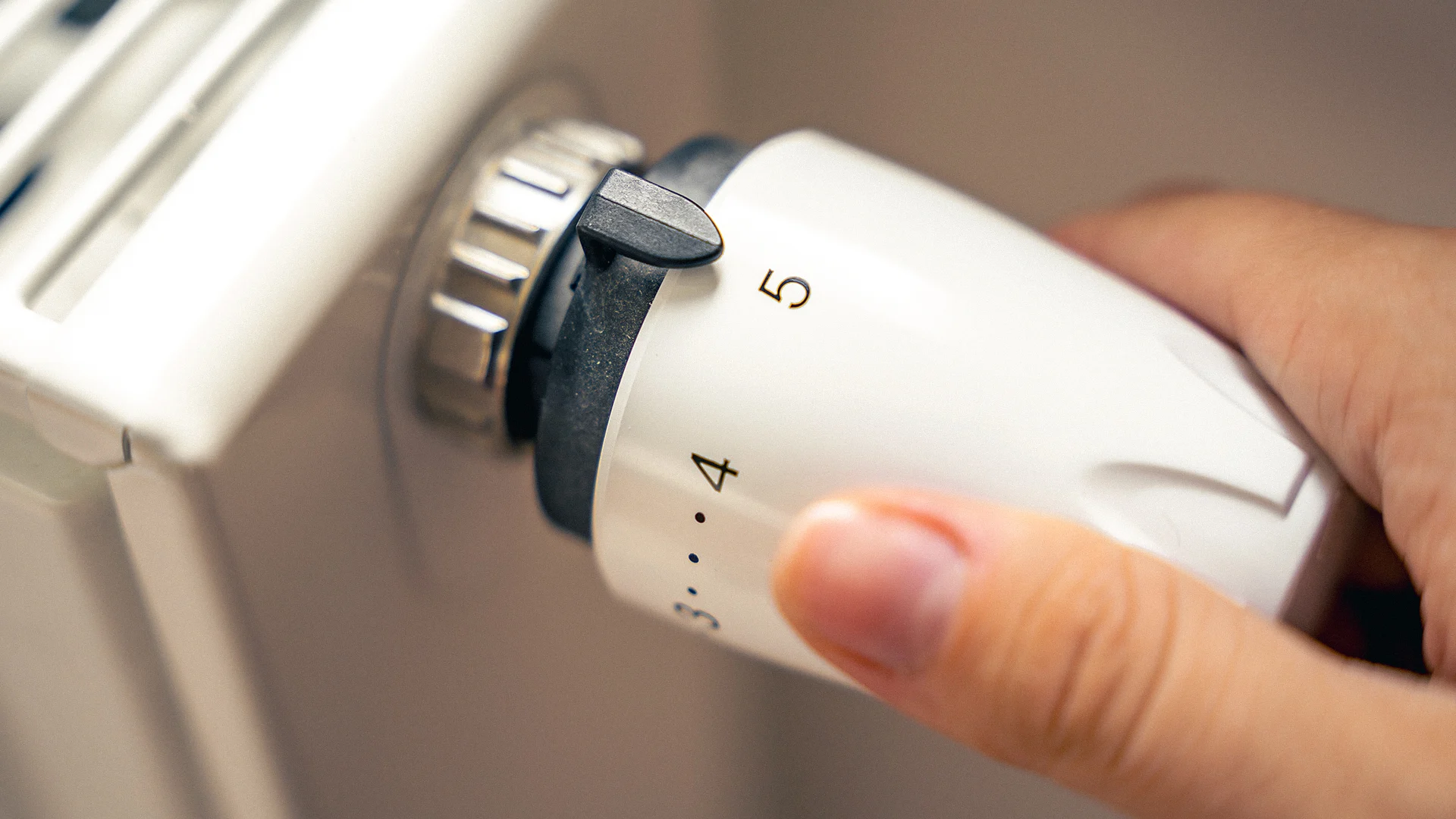
How to Bleed a Radiator
Got your heating on full whack, but somehow your home still feels cold? Can you feel cold spots on your radiators? It might be time to bleed them.
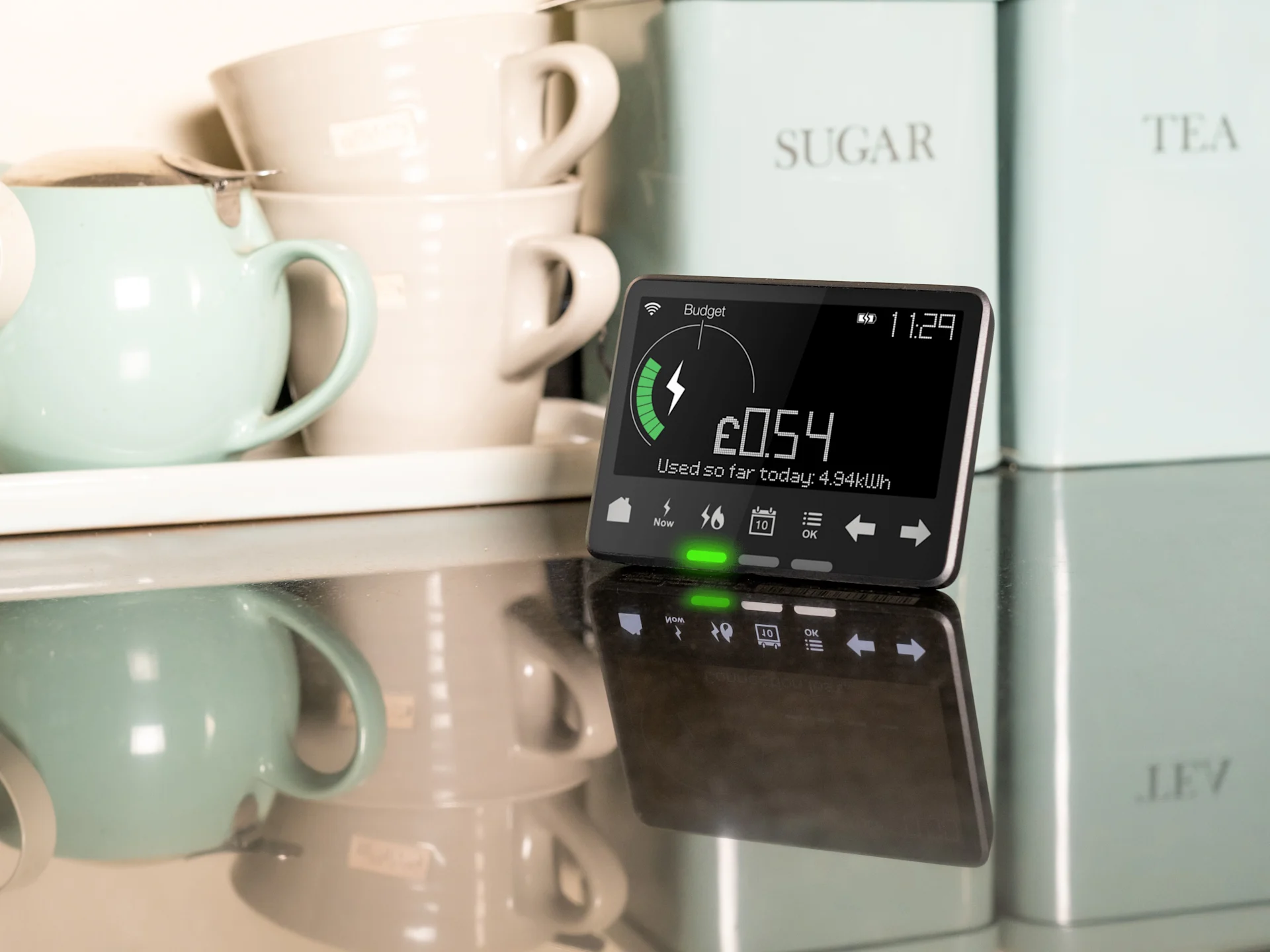
A Complete Guide to Smart Meters: What They Are And How They Can Save You Money
Nobody likes having high energy bills – we can all agree on that. Which is why knowing how to be more efficient and reduce your usage is super important.