Home > Energy > Energy Guides > What is vampire energy
What is vampire energy?
The worst phantom energy devices to be aware of
Written by David Walter, Chief Commercial Officer
Last updated 2 October 2026: Vampire energy is the power your appliances use when they’re plugged in but not in active use, even if they’re switched off. Also known as ‘vampire load’, ‘phantom energy’ or ‘phantom load’, this silent drain could be adding to your electricity bill without you even realising it.

To help you spot vampire energy devices that are draining your power, we’ll explain how phantom energy works, which devices are the worst offenders, and how you can reduce these hidden costs.
What is vampire energy?
Vampire energy, also known as phantom load or phantom energy, is the electricity used by appliances and electronics when they’re plugged in but not in active use. For example, when you leave your TV or radio plugged in and switched on at the plug, but the device is in standby mode.
Even though the amount of power each device uses can be small, it can also add up over time, especially when multiple devices are on standby. Studies have found that up to 23% of electricity bills are made up of wasted energy from phantom energy devices.
How does vampire energy work?
Vampire energy works when appliances draw a small amount of energy to stay on standby, even if they’re not being actively used. Lots of devices stay partially powered up so they can quickly respond to remote control commands, update software, or even display a clock or indicator light.
For example, a wireless printer might use energy to keep its display running or to stay connected to the Wi-Fi connection.
What are energy vampire devices?
Energy vampire devices are appliances or electronics that continue to consume power even when they’re not actively in use. These devices are often designed to stay in a low-power state so they’re ready to use instantly, which can lead to unnecessary energy consumption.
Common culprits that tend to be the worst offenders include household items like game consoles, microwaves, and phone chargers, which often draw energy to maintain standby functions. While these devices might seem ‘off’ and their standby features make using them feel more convenient, they come with a hidden cost; they’re still quietly draining power, contributing to those hidden costs on your energy bill.
Take control of your energy costs
Lock in over £350 in savings vs January’s projected price cap and get the cheapest 12-month tariff on the market.
Plus, we’ll throw in up to £250 in Cashback Card credit and up to £400 in switching credit.
The worst vampire appliances to leave on standby
Some devices are particularly notorious for draining power when left plugged in. These are a few of the worst offenders when it comes to phantom energy, and it’s worth keeping an eye on them:
1. Wireless speakers
Wireless speakers, including smart assistants like Amazon Echo or Google Nest, use electricity to stay connected to Wi-Fi and listen for voice commands. According to Which?, smart speakers are one of the biggest culprits for guzzling power, and over a year, they can add up to £5.99 per device in standby energy costs.
2. Set-top boxes
Set-top boxes for TV services like Sky or Virgin Media are usually guilty of vampire energy. A typical set-top box can use up to 30 watts in standby mode. Leaving a box on standby for a year can cost around £17 in wasted electricity.
3. Microwaves and kitchen appliances
Many kitchen appliances, like microwaves, coffee machines, and even toasters, continue to use power while in standby mode. For instance, microwaves often keep clock displays running, and coffee machines maintain a ‘ready’ state so you can brew coffee instantly.
While these appliances may seem to use minimal power in standby, it all adds up, especially in homes where multiple appliances stay plugged in at all times. Take microwaves, for example: these devices in standby can rack up to £16.37 on your electricity bill each year.
4. Electric heaters
Electric heaters are notorious for using a lot of power, but they can also raise your bill when not in use, as they sometimes have digital displays or timers.
5. Old appliances
Older appliances, especially ones made before energy efficiency standards were introduced, tend to consume more power on standby compared to newer, more energy-efficient models.
Things like fridges that are 10−15 years old can be hugely draining compared to newer models. They can use 100−200 kWh per month, which could stack up to around 1,200−2,400 kWh annually, depending on their age and make.
Replacing or upgrading these appliances with newer, energy-efficient models can lead to noticeable reductions in energy consumption over time.
If you’re wondering how certain appliances impact your energy consumption, check out our guide on What Appliances Use the Most Electricity in Your Home? to see which devices should be on your radar.
How to reduce vampire energy and save money
Now you know how your appliances can quietly be adding to your monthly bill, here are some easy steps you can take to reduce the amount of standby power they use:
1. Unplug unused appliances
One of the easiest ways to prevent phantom energy is to unplug devices when they’re not in use. If you don’t need a device, simply disconnect it and remove the plug from the socket to stop it from drawing power. This is an easy way to save energy for printers, radios, or kitchen appliances like blenders or mixers that you might not use very often.
2. Use smart plugs or timers
If unplugging devices each time is inconvenient, consider investing in smart plugs or timers. These allow you to turn off multiple appliances with the touch of a button or schedule them to power off at specific times. For example, you can set a timer to turn off your TV or game console after a certain period of inactivity, making it much more difficult to leave something on by accident.
3. Turn off at the wall
Using a wall switch or a power strip is an excellent solution for appliances that are harder to unplug, like your TV or Wi-Fi router. Power strips allow you to disconnect multiple devices at once with a single switch, so you can quickly turn off everything in your entertainment or home-office setup when you’re done.
4. Choose energy-efficient appliances
When it’s time to upgrade, opt for energy-efficient appliances that use less power even in standby mode. To do this, look for appliances with energy ratings labelled A, B, or C, as these indicate that the device is more efficient.
Which devices shouldn’t be switched off?
While it’s great to keep as many devices powered off as possible, some appliances need to stay on to perform their functions. These are some of the devices that are essential to keep turned on:
Fridges and freezers – Fridges and freezers are designed to run constantly, and turning them off would mean spoiling your food and wasting energy when you turn them back on. These appliances consume energy to maintain a cold temperature, but generally use very little power as they’re intended to be on 24/7. To get the most out of them, ensure the door seals are intact and set the fridge thermostat to between 3°C and 5°C to lower electricity consumption, but keep your food safe.
Wi-Fi routers – Wi-Fi routers need to stay on constantly to maintain your broadband connection. While it may seem like a good idea to switch it off at night, turning off your router would disconnect your home’s internet, which can be inconvenient and disruptive if you need to get online quickly.
Security systems – Home security systems must remain on at all times to monitor your property, especially if they include alarms, cameras, or motion sensors. Disabling your security system can leave your home vulnerable, so it’s best to keep it powered up.
Smart home devices – Smart home appliances, like thermostats, lighting, smart meter displays, or smart doorbells, need to stay on to function correctly. They usually only consume minimal energy while they’re running in the background, so you can control them remotely or receive notifications.
It’s not all doom and gloom for appliances that need to stay powered on all the time, though, as the One Watt initiative was brought in by the International Energy Agency (IEA) to minimise the amount of standby energy waste created by electronic devices.
In January 2010, the EU imposed the EC Regulation 1275/2008 as part of the One Watt initiative, which limits the amount of energy that a device can consume when in standby mode to 1 watt. These limits were reduced in 2013 to 0.5 watts for devices in ‘off mode’ or standby.
How to check the energy efficiency of your appliances
Part of reducing unnecessary power consumption is knowing how much energy your appliances use when they’re fully functional. Here's how to easily check the energy efficiency of your devices:
Energy labels – When buying new appliances, the EU energy efficiency label will give you the best indication of how much power they consume. These labels typically use a scale from A (most efficient) to G (least efficient). More energy-efficient appliances often consume less power in both active and standby modes.
Smart meter – Smart meters provide real-time information about your energy usage, helping you see exactly how much electricity or gas your household is consuming. They can also track standby consumption. Find out how you can upgrade to a smart meter or learn more about them here.
Smart plugs – A handy way to monitor energy usage is by using smart plugs. These plugs often come with built-in energy tracking, allowing you to see how much power your appliances use via a mobile phone app. They’re also a great way to spot high-energy devices and switch them off remotely.
To learn more energy-efficient changes that can help cut your bill in the long run, check out our energy saving tips guide.
FAQs
While the cost of electricity caused by vampire energy devices can seem small on their own, they can add up over time. This means leaving multiple devices on standby every day can significantly impact your energy bills over the year.
By taking simple steps to cut down on standby power, you can reduce your overall energy consumption and save money. If you’re struggling with your bills and need support, find out what help you can get here.
There’s no difference between vampire energy and phantom load; they both refer to the same thing: energy consumed by devices when they’re plugged in but not in active use. The terms are often used interchangeably.
Yes, unplugging devices when they’re not in use can reduce your energy bill, as it stops them from drawing power while on standby. Even if the savings seem small, unplugging high-energy devices, like TVs or game consoles, can make a big difference over time.
While smart plugs are designed to be energy-efficient, they do consume a small amount of power themselves. However, the energy a smart plug uses is minimal compared to the energy savings it can provide by turning off other devices. To maximise savings, use smart plugs for devices regularly left on standby.
Keep vampire energy costs down with Utility Warehouse
Find out how Utility Warehouse can help you save even more on your utility bills with our energy deals, including fixed-rate plans. You can also browse our single-fuel electricity or gas tariffs. Plus, the more services you bundle with us, the more you’ll save on your overall costs.
The last switch you’ll ever make
Get up to £250 Cashback Card credit and £400 to help you switch. We promise you'll save money, or we'll pay you double the difference.
Find a Utility Warehouse Partner to help you get your energy, broadband, mobile and insurance sorted. We're here to make your life easier by getting your home services in one place.
Related Guides

Energy saving tips
18 January 2021 - UW is highlighting the actions you can take at home to save on your energy bills.
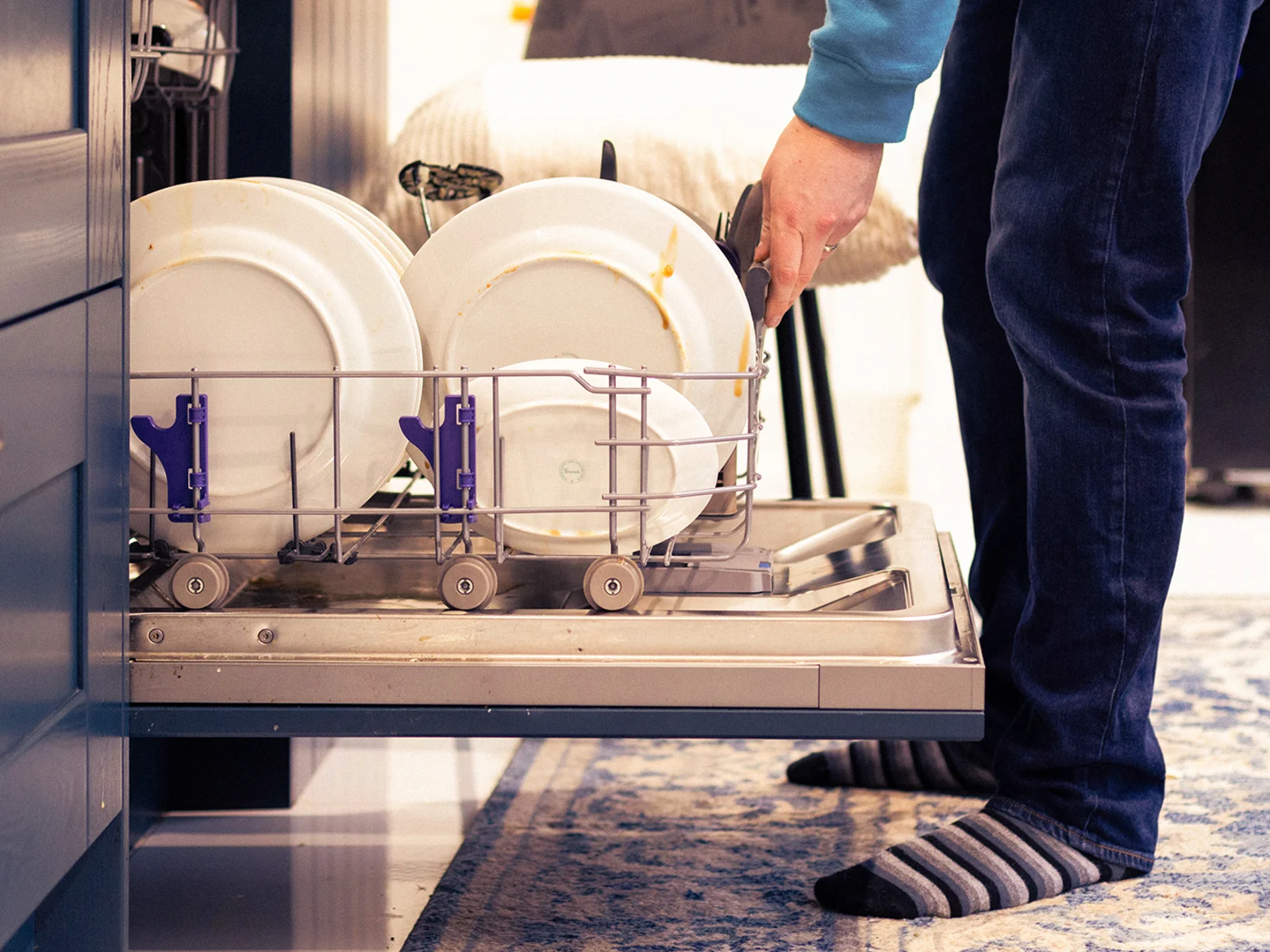
Which Household Appliances Use The Most Electricity?
9 Oct 2024 - Energy bills can creep up on us, especially when we don't realise which household gadgets and appliances are silently guzzling electricity in the background.
What next?

“Whether you’re looking for a variable tariff or prefer a fixed tariff for total peace of mind, we offer energy prices consistently below the price cap when you bundle with our other award-winning services. We can get you switched over in as little as two days with no disruption to your supply. We offer even greater savings when you upgrade to a free smart meter so you never have to worry about giving a meter reading again.”
David Walter - Chief Commercial Officer