Home > Energy > Energy Guides > How to Sell Electricity Back to the Grid
How to Sell Electricity Back to the Grid in the UK
Written by David Walter, Chief Commercial Officer
12 Sep 2025 : If you have solar panels, you can earn extra income by selling your surplus energy back to the grid.

Find out how to get started, how much you can earn, and whether it’s worth storing or selling your unused solar power.
What happens to the surplus electricity generated by solar panels?
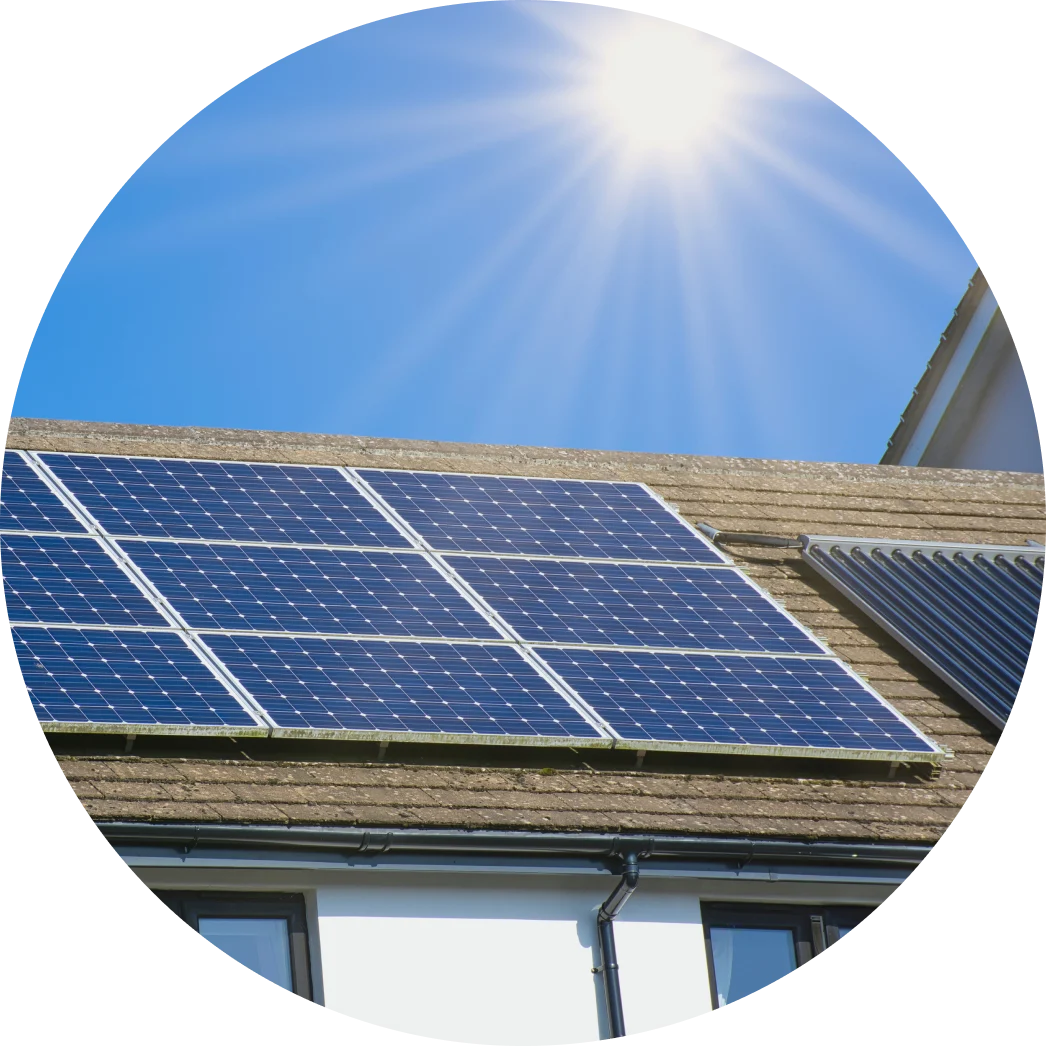
Solar panels work by generating electricity from sunlight, but sometimes they produce more energy than your home needs. When this happens, the excess power can either be:
Stored in a battery system for later use
Sent back to the grid
If you don’t have battery storage, the unused electricity will flow back into the grid and homeowners can earn credit for the power they supply. This process is called ‘net metering’, and it helps maintain balance in the energy system as electricity from solar panels can supplement the power provided by the national grid. This can be especially useful during peak demand times when there’s more pressure on the grid, and the electricity is distributed to other households and businesses.
By selling this surplus energy, you can not only help reduce the overall carbon footprint of the energy system but also earn money by giving it to the grid. If you have battery storage, you can keep the energy for later use, but you can also choose to sell it when rates are higher.
Take control of your energy costs
Lock in over £350 in savings vs January’s projected price cap and get the cheapest 12-month tariff on the market.
Plus, we’ll throw in up to £250 in Cashback Card credit and up to £400 in switching credit.
What do you need to sell solar energy?
Whether you want to make the most of the solar energy you generate or store it to sell, you’ll need a few pieces of hardware to get started.
A solar battery – Think of these like a portable power bank that charges your phone; it gets powered up via solar panels during the day and stores energy for later use. They come in different sizes, capacities, and price points depending on the model you choose, so it’s important to factor it into your overall solar system budget. They tend to have a shorter lifespan than the panels, anything from 5 to 15 years, but they don’t need much maintenance to keep them going.
A smart or export meter – To get paid correctly for the energy you’re selling, you may need to install a smart or export meter. These will track the energy you use and the energy you export, providing accurate readings for you and your energy supplier. These meters take regular hourly or half-hour readings so you can get accurate payments for the surplus electricity you generate.
How to sell electricity from solar panels
Once you have the proper equipment, you’ll also need to follow a few other key steps to make sure you’re properly registered and connected to the grid. Here’s how you can get started:
1. Sign up for the Smart Export Guarantee (SEG)
The Smart Export Guarantee is the main UK government-backed scheme for domestic solar energy exports and lets you earn money for sending surplus energy to the grid. To benefit from SEG, you must:
a. Be registered with a licensed energy supplier that offers the scheme
b. Have a smart or export meter installed
c. Hold a valid Microgeneration Certification Scheme (MCS) certificate to prove that your solar system was installed by a professional
d. Know your Meter Point Administration Number (MPAN) to give to your energy supplier (learn how to find out what your MPAN is here)
e. Have solar panels with a total installed capacity of 5 MW or less
Your provider will pay you based on a rate per kWh, but these can vary, so it’s worth shopping around to find the best deal.
2. Choose the right energy supplier
Not all suppliers offer the SEG, so you’ll need to choose one that does. You can check if your current energy supplier is registered with the SEG scheme, but bear in mind that lots of suppliers now provide competitive rates. So, while many may only offer a standard export rate, it’s best to shop around.
3. Register your solar system
If your solar panel system has a capacity of more than 3.68 kW per phase, you may need approval from your Distribution Network Operator (DNO) before you can start selling electricity. This is because DNOs manage the infrastructures that deliver electricity across the country, and larger solar systems that export more power may disrupt or overwhelm the network. DNOs need to make sure the network can handle the amount of power you’re exporting to keep the grid safe.
4. Monitor your exports and earnings
Once you’re set-up, you can start exporting energy. Your smart meter will track the energy sent back to the grid, and your supplier will calculate your earnings based on their SEG rate. You’ll receive payments, which are usually made monthly or quarterly, depending on your supplier’s terms.
How much do you get for selling electricity back to the grid in the UK?
The amount you can earn from selling electricity back to the grid depends on a few factors, including the scheme you’re signed up for and your chosen energy supplier. Generally, payments for surplus energy are calculated based on the export tariff, which is the price per kilowatt-hour (kWh) you receive for exporting your electricity.
Smart Export Guarantee (SEG) rates
There are no set SEG rates, but energy suppliers offer different payment rates for exported energy. The rates typically range from around 1p to 40p per kWh, though some suppliers may offer higher or lower rates depending on market conditions and the specific contract you sign.
Ofgem’s SEG Annual Report revealed that average bundled tariff rates reached 13.45p per kWh in 2023-24. Using this average rate, if you exported 1,500 kWh in one year, you could earn around £201.75 from selling solar energy back to the grid.
These rates can vary a lot between suppliers and over time – for example, average bundled tariff rates were only 5.5p per kWh in 2020-21 – so it’s worth checking different options to find the best deal. Plus, some suppliers may offer ‘flexible’ or ‘dynamic’ rates, where the price per kWh can change based on demand for electricity at different times of the day.
Other factors that can affect your earnings
While SEG payments are relatively straightforward, the actual amount you can earn will depend on how much electricity you generate and export. This is influenced by:
The size of your solar panel system – Larger systems typically generate more electricity, which means you’ll have more surplus energy to sell.
The amount of sunlight your home receives – In sunnier areas, your panels will produce more energy, resulting in higher exports.
How much energy you consume – If you consume more of your generated electricity rather than exporting it, your overall exportable surplus will be lower. It’s easy to forget that a lot of your generated energy will go towards your property’s energy needs, and only the excess can be sold.
Should you store or sell unused solar electricity?
With pros to storing and selling unused electricity from your solar panels, deciding which option is best for your lifestyle can be tricky. Let’s look at both to help you determine the right choice for your home.
Storing unused solar energy
In 2024, 43% of solar panel owners owned a battery storage system to store excess energy. This means that they can use it when they need it the most, especially during the evenings or on cloudy days when panels don’t generate as much power.
Pros:
Less reliant on the grid – By storing energy, you can use it later when your solar panels aren’t producing enough power, reducing your reliance on the grid and helping you take a step towards achieving energy independence.
Avoid peak energy times – If your energy supplier offers time-of-use tariffs, storing energy allows you to avoid buying expensive electricity during peak periods. You can use your stored energy during these times, saving money on your energy bill. Learn more about off-peak energy and Economy 7 tariffs.
Long-term savings – While battery storage systems are an investment, they can lead to long-term savings once you earn back the initial cost. This means they can help you save money on your electricity bill. You may also be eligible for incentives or grants to help offset the installation cost.
Cons:
Battery storage systems – To store energy, you’ll need a battery system to keep solar power for later use. While these systems are becoming more affordable, the upfront cost can still be costly, often ranging from £1,500 to £8,000, depending on the size of the system.
Selling unused solar energy
Selling unused solar electricity back to the grid means you can earn money from surplus energy that would otherwise go to waste.
Pros:
Extra income – Selling solar energy to the grid can provide a source of additional income. Although the payment rates may be relatively low, it’s a simple way to make money from something that would otherwise be wasted.
No upfront costs – Unlike battery storage, there are no significant upfront costs associated with selling electricity back to the grid. As long as you have a smart meter, which many providers will install for their customers for free, your system will already be set up to track exports, making it easy to start earning money. Find out how UW customers can upgrade to a smart meter for free here.
Low-maintenance – Selling energy back to the grid is a hassle-free way to earn money, especially if you don’t want to invest in battery storage. Once you’re set up with your energy supplier and SEG registration, the process of selling your energy mostly runs itself so you don’t have to do much.
Cons:
Export limitations – The amount of energy you can sell depends on how much excess energy you produce. If your panels don’t generate much more than you use, there may not be a significant amount of electricity available to sell.
Which option is right for you?
Ultimately, whether to store or sell your unused solar electricity depends on your financial situation, energy usage patterns, and long-term goals. Investing in battery storage may be a good option if you’re looking to reduce your energy bills and maximise self-consumption. However, selling energy back to the grid through SEG might be better if you prefer a more straightforward, no-cost way to make extra income.
Many homeowners find a combination of storage and selling the most beneficial — storing energy for personal use and selling any excess that can’t be stored. Before making a decision, it’s worth comparing the cost of battery storage, potential savings, and expected income from selling energy to gain a better idea of which approach is best for your needs.
The last switch you’ll ever make
Get up to £250 Cashback Card credit and £400 to help you switch. We promise you'll save money, or we'll pay you double the difference.
Find a Utility Warehouse Partner to help you get your energy, broadband, mobile and insurance sorted. We're here to make your life easier by getting your home services in one place.
“Whether you’re looking for a variable tariff or prefer a fixed tariff for total peace of mind, we offer energy prices consistently below the price cap when you bundle with our other award-winning services. We can get you switched over in as little as two days with no disruption to your supply. We offer even greater savings when you upgrade to a free smart meter so you never have to worry about giving a meter reading again.”
David Walter - Chief Commercial Officer

FAQs
No, a smart meter is essential for selling electricity back to the grid as it measures both the energy you consume and the energy you export, which is necessary for your energy supplier to pay you correctly for the electricity you generate.
Generally, there aren’t any recurring fees for selling solar power back to the grid. However, energy suppliers may charge for the setup of a smart meter or additional export meter, and you might need to pay an exit fee if you switch energy providers.
Yes, you’ll need to inform your energy supplier if you want to sell excess solar electricity. You must also be registered for the Smart Export Guarantee (SEG) to receive payments for the energy you export. Your supplier will need to know about your solar system to set up the correct billing process and ensure you’re properly compensated for the energy you sell.
The Feed-in Tariff (FIT) scheme was the previous government-backed initiative that paid homeowners for both the energy they consumed and the energy they exported. However, this scheme closed to new applicants in 2019.
The Smart Export Guarantee (SEG) is the current scheme available for new applicants. It pays for the surplus energy you export to the grid. While SEG rates tend to be lower than the FIT rates, the SEG offers a more flexible approach, allowing suppliers to set their own tariffs.

Added a mobile SIM card
I spoke to Chloe and she was very…
Very pleasant and helpful young…
Affordable energy solutions with UW
Whether you’re looking for cheaper home utilities or need to make the switch to a smart meter, we can help.
Explore our energy deals, including electricity and gas offers, today.
Related Guides

Is Electricity Cheaper at Night? How Off-Peak Energy Works
16 Mar 2026 - When it comes to lowering your energy bills, timing can be everything. So, is electricity cheaper at night?
How Do Solar Panels Work? A Simple Guide to Solar Energy
Solar energy is one of the most sustainable ways to reduce your energy bills and lower your carbon footprint, and it’s becoming more accessible than ever.