Home > Energy > Energy Guides > What Temperature Should Your House Be
What Temperature Should Your House Be?
Finding the Ideal Temperature for Day and Night
Written by David Walter, Chief Commercial Officer
28 Nov 2025 : Keeping your home at the right temperature is one of those small everyday decisions that has a big impact. It's not just about comfort; it affects how well you sleep, how much energy you use, and even how healthy you feel through the colder months.

Take control of your energy costs
Lock in over £350 in savings vs January’s projected price cap and get the cheapest 12-month tariff on the market.
Plus, we’ll throw in up to £250 in Cashback Card credit and up to £400 in switching credit.
So, what is the ideal temperature for your home? Should it feel toasty at all times, or is a slightly cooler room actually better? And how does that change at night, in different rooms, or for different people?
Let's take a look at what the experts recommend — and how to keep your home feeling "just right" without wasting energy.
What temperature should your house be?
There's no single number that suits every home, but most experts agree on a comfortable range. The World Health Organisation and Energy Saving Trust both suggest a sweet spot between 18 and 21 °C.
That's warm enough to stay comfortable without using unnecessary energy. For most people, around 20 °C during the day feels ideal, especially in living areas where you're sitting still.
If your home is well-insulated, you might find you can drop that by a degree or two and still feel cosy. If it's draughty or you have young children, older relatives, or anyone with health conditions, aim closer to 21 °C to be safe.
Think of 18-21 °C not as a strict rule, but as a comfort zone you can tweak depending on how your home feels.
What temperature should your house be at night?
When it comes to sleep, cooler is usually better. Your body temperature naturally drops as you drift off, so a slightly cooler bedroom often helps you fall asleep faster and stay asleep longer.
Most experts recommend keeping bedrooms at a temperature of around 16-18 °C at night.
If you live with someone vulnerable to the cold (such as an older adult or a baby), you may want to keep it closer to 18°C. But for most healthy adults, that gentle drop in temperature helps signal to your body that it's time to rest.
And if you're tempted to crank the heating just before bed? Try resisting it. Instead, make sure the room is warm when you get in, then let the temperature fall naturally once you're tucked up. It's good for your energy use, your bills, and your sleep quality.
The ideal temperature for babies and vulnerable people
Some people need a little extra warmth to stay safe and comfortable.
Babies
According to the NHS and The Lullaby Trust, a baby's room should be kept between 16-20°C. It's a range that prevents overheating while keeping them cosy enough to sleep soundly.
If you're unsure, use a room thermometer rather than guessing, and don't bundle babies up too much. A single blanket or sleeping bag is often enough if the room's in that range.
Older adults or anyone unwell
As we get older, or if we're not feeling well, our bodies don't regulate temperature as easily. For vulnerable people, the WHO recommends keeping rooms at least 18°C, and ideally around 20°C if possible.
That's warm enough to stay healthy without wasting heat. So, if your household includes anyone who feels the cold easily, don't be afraid to turn things up a notch in the spaces they use most.
How warm should each room be?
Different rooms have different jobs, so it makes sense that they each need a slightly different temperature.
Here's a quick guide to help you set your thermostat or radiator valves more precisely.
Room | Ideal Temperature | Why |
|---|---|---|
Living room | 19 - 22°C | You're usually sitting still, so you'll feel the cold sooner. |
Bedroom | 16-19°C | Cooler air helps you sleep better (older and vulnerable people should aim for the higher end of the spectrum). |
Kitchen | 18-20°C | Cooking adds extra heat, so you don't need as much. |
Bathroom | 20-22°C | Stepping out of the shower into warmth feels better. |
Hallway / Landing | 15-18°C | Less-used spaces can be cooler to save energy. |
Let's take a closer look at each one.
Living room
Your living room is the heart of your home, where you relax, watch TV or spend time with family. Since you're not moving around much, it's worth keeping this room slightly warmer. Around 20-22°C usually feels perfect.
Bedroom
Cooler bedrooms are better for sleep, but you shouldn't be uncomfortable. Aim for 16-19°C, depending on how warm your bedding is and your personal sleeping preference. If you often wake up feeling chilly, try 18°C as a starting point and adjust from there. Older people (65+) should aim for 19°C.
Kitchen
Cooking naturally warms things up, so the kitchen can be set a little lower, around 18-20°C. It's one of the easiest rooms to keep comfortable without much effort.
Bathroom
No one likes stepping out of a hot shower into a freezing bathroom. Set it to 20-22°C if you can, especially during winter. Even if the rest of your home is cooler, a warm bathroom makes mornings far more pleasant.
Hallways and landings
You don't spend much time in these spaces, so 15-18°C is fine. Just remember to keep doors closed so they don't pull warmth from your main rooms.
The last switch you’ll ever make
Get up to £250 Cashback Card credit and £400 to help you switch. We promise you'll save money, or we'll pay you double the difference.
Find a Utility Warehouse Partner to help you get your energy, broadband, mobile and insurance sorted. We're here to make your life easier by getting your home services in one place.

What is the ideal room temperature in winter and summer?
During the colder months, most households keep their living areas between 18 and 21°C, nudging up towards 22°C if it's particularly chilly or your home isn't well-insulated.
In summer, of course, heating usually takes a back seat. The challenge then becomes staying cool rather than warm. Keeping blinds or curtains closed on hot days, opening windows in the evening, and improving home insulation can all help regulate temperature naturally. Insulation works both ways, keeping warmth in during winter and out during summer.
If your house overheats easily, try to keep indoor temperatures around 18-20°C if possible. A fan or a portable air-cooler can help, but often the simplest fixes (ventilation and shade) make the biggest difference.
When should you turn your heating on?
There's no exact date on the calendar that says ‘heating season starts now’. For most people, it's less about the month and more about how the house feels.
A good rule of thumb is to start using your heating regularly when indoor temperatures drop consistently below 18°C. That's the point where the house begins to feel cold and may start to affect your comfort or health.
Rather than running your system all day, use your timer to warm the house for short bursts – ideally just before you get up or arrive home. It's far more efficient than keeping it running constantly.
And when you do switch it on, it's worth making sure your radiators are working properly. If they're warm at the bottom but cold at the top, they may need bleeding. You can follow our How to Bleed a Radiator guide for step-by-step help.
What temperature should the heating be on?
If you're using a central heating system, set the main thermostat somewhere around 18-21°C for the day, depending on your preference and activity levels.
That doesn't mean you need every room at that temperature all the time. A bit of variation is fine, and smart heating controls can make that much easier to manage. Our How to Use Central Heating Economically guide explains how to use timers, thermostats and radiator valves to get the balance right.
The general rule is simple: heat the rooms you use, lower the temperature in those you don't, and don't let the whole house swing between freezing and boiling. Consistency is both more comfortable and more efficient.
How to control the temperature in different rooms
If your home often feels ‘too hot here, too cold there’, it might be time to upgrade how you control the heating.
Smart thermostats
A smart thermostat can make a huge difference. These clever devices learn your habits and adjust automatically, warming your house just before you get home, or lowering the temperature when you're out. You can even control them from your phone.
Our guide on smart thermostats explains how they can cut costs while keeping your home perfectly comfortable.
Thermostatic radiator valves
If you don't have a smart system, thermostatic radiator valves are a simple way to give each room its own temperature setting. For example, you can keep the bedroom cooler than the living room without constantly fiddling with the thermostat.
Regular maintenance
A quick system check goes a long way. Bleeding radiators, servicing your boiler, and making sure your thermostat is in a sensible spot (not next to a draughty window or radiator) all help your heating run efficiently.
How to stay warm without turning the heating up
Before you reach for the thermostat, try these simple tricks. They might save you more energy than you think.
Draught-proofing — Plug gaps around doors and windows to keep cold air out.
Thicker curtains — Close them at dusk to stop heat escaping, and open them in the morning to let sunshine in.
Home Insulation — Good insulation in walls, lofts and floors keeps heat in for longer, so your boiler doesn't have to work as hard.
Layer up — A jumper and warm socks cost nothing to run.
Heated blankets or hot water bottles — Great for cold nights and far cheaper than heating the whole house.
Close doors — Keep warmth where you need it most.
Check your Electricity habits — Little changes, like switching off standby devices, can make a surprising difference.
And if you want a deeper dive into how your home uses energy overall, take a look at our guides on which appliances use the most gas and electricity. And head here to discover more energy-saving tips.
Finding the right temperature for your house isn't about chasing a single perfect number. It's about knowing what feels comfortable for you, understanding how your home holds heat, and making a few smart tweaks to keep bills down.
For most people, 18-21°C in the day and 16-18°C at night is a safe, efficient target. But the real goal is balance: a home that feels warm when you want it to, cool when you need it to, and kind to both your wallet and the planet.
When you get that right, comfort becomes effortless – and your energy use does too.
Discover our best energy deals, including EV and fixed-rate tariffs.
“Whether you’re looking for a variable tariff or prefer a fixed tariff for total peace of mind, we offer energy prices consistently below the price cap when you bundle with our other award-winning services. We can get you switched over in as little as two days with no disruption to your supply. We offer even greater savings when you upgrade to a free smart meter so you never have to worry about giving a meter reading again.”
David Walter - Chief Commercial Officer


Customer servicem…
An easy changeover except for one…
Brilliant Service
Related Guides
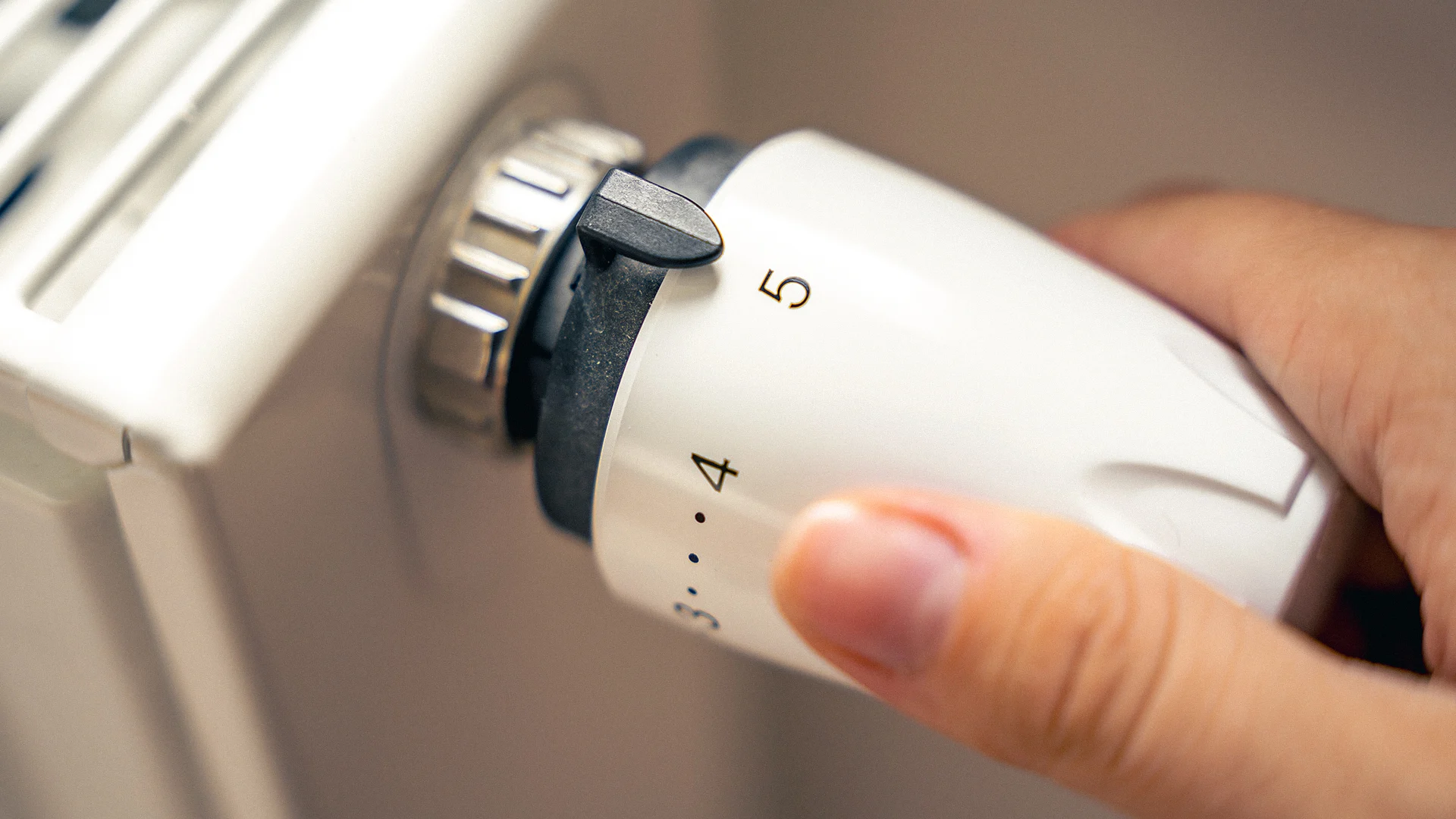
How to Bleed a Radiator
Got your heating on full whack, but somehow your home still feels cold? Can you feel cold spots on your radiators? It might be time to bleed them.

Energy saving tips
How to save electricity and lower your energy bills
Knowing how to save energy at home isn't about massive life overhauls; it's about making small, clever tweaks to how you run your home.